You Won’t Believe These Hidden Spots in Avignon That Define Pure Relaxation
Avignon isn’t just about popes and palaces—trust me, I discovered something deeper. Beyond the stone walls and history books lies a city that breathes calm. Think sun-drenched squares, riverside nooks, and cafés where time slows down. I wandered, lingered, and finally felt what local life truly means. If you’re chasing real relaxation in Provence, this is where it begins—quiet corners, authentic moments, and spaces made for doing absolutely nothing, perfectly.
The Heartbeat of Avignon: Leisure in the Old Town
The true soul of Avignon pulses in its ancient, cobblestone streets, where the pace of life seems to have been set centuries ago and never hurried since. The historic center, enclosed by 14th-century ramparts, is entirely walkable, encouraging visitors to put away maps and simply drift. There are no cars to rush you, no blaring horns—just the soft echo of footsteps and the occasional chime from a distant church bell. Every turn reveals a new courtyard, a shaded bench beneath a plane tree, or a tucked-away fountain trickling quietly into a stone basin. These are not grand attractions but intimate moments, carefully preserved in time.
One such place is Place des Corps-Saints, a quiet square tucked behind the Palais des Papes. Locals gather here in the late afternoon, children play near the fountain, and elders sit with newspapers or knitting, watching the world pass by with gentle interest. It’s not uncommon to see someone reading for an hour with only a glass of water for company. This is not laziness—it’s a cultivated art of presence. The square’s ivy-covered buildings and dappled sunlight create a sanctuary, far removed from the daytime bustle of nearby tourist paths. Here, relaxation isn’t scheduled; it’s absorbed.
Wandering through the Rue de la Louterie or Rue Sainte-Catherine, you’ll notice how shopkeepers greet regulars by name, and bakeries release waves of warm bread scent just before noon. These are streets designed for lingering, not rushing. Even the architecture invites slowness—the arches, the overhanging shutters, the wrought-iron balconies heavy with geraniums. Every detail suggests a life lived with intention and grace. For the visitor willing to pause, the old town becomes a teacher, showing how beauty and peace coexist in the everyday.
Riverside Reverie: Unwinding Along the Rhône
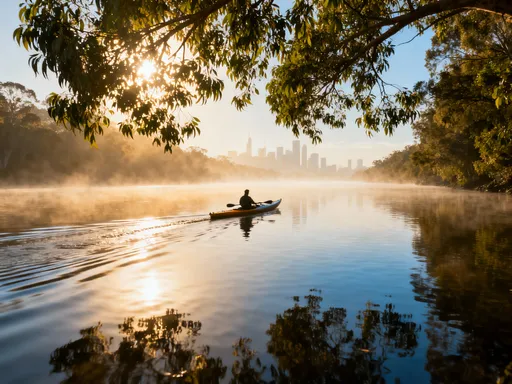
The Rhône River doesn’t just flow beside Avignon—it defines its rhythm. From the iconic Pont d’Avignon, which stretches partway into the water like a forgotten sentence, to the wide, tree-lined banks that stretch east and west, the river offers a natural escape within the city’s embrace. Unlike the hurried currents of northern rivers, the Rhône moves with a slow, steady grace, mirroring the lifestyle of those who live beside it. Walking along its edge, especially in the early evening when the sun gilds the water, you can feel the day’s tension dissolve.
One of the most peaceful stretches is near Parc Philipps, a modern green space that blends seamlessly with the river’s edge. Families picnic on the grass, cyclists glide along dedicated paths, and couples sit on benches watching boats drift by. The park is well-maintained but never feels sterile—wildflowers bloom between the paths, and the sound of rustling leaves mixes with distant laughter. It’s the kind of place where you can spend an hour without realizing how much time has passed. Benches are thoughtfully placed to face the water, inviting you to simply sit and breathe.
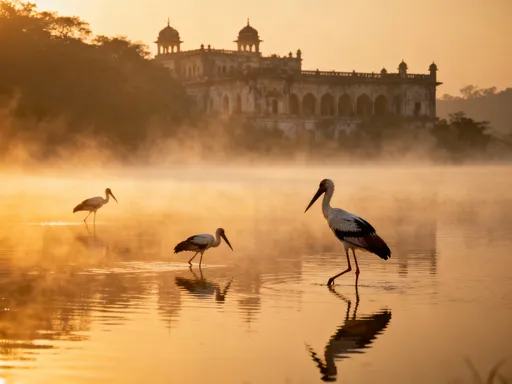
For a more solitary experience, walk east toward the Île de la Barthelasse, a long, green island in the Rhône accessible by bridge. Once used for farming, it’s now a haven for walkers, joggers, and birdwatchers. The paths are flat and shaded, perfect for a meditative stroll. You might spot herons standing still in the shallows or ducks paddling in quiet coves. The air here is cooler, scented with wet earth and wild mint. It’s easy to forget you’re still within city limits. The river, in all its quiet majesty, reminds us that nature doesn’t need to be remote to be restorative.
Secret Gardens and Quiet Corners
While many visitors flock to the Palais des Papes or the Petit Palais, fewer know about Avignon’s hidden green sanctuaries—places where silence is not broken, but honored. These are not large botanical gardens with guided tours, but intimate spaces where the city exhales. Jardin d’Agapanthe is one such gem, tucked behind a quiet residential street near the city walls. Named after the fragrant purple blooms that flourish in summer, this garden is a study in simplicity. Stone pathways wind through lavender hedges, rosemary bushes, and clusters of olive trees. Benches are placed in shaded nooks, each offering a different view of the sky or the distant silhouette of Mont Ventoux.
What makes Jardin d’Agapanthe special is its stillness. There are no loudspeakers, no crowds, not even signs demanding silence—yet people naturally speak in hushed tones. It’s a place for reflection, for reading, for closing your eyes and listening to the hum of bees. The garden is small, perhaps no more than an acre, but its impact is disproportionate to its size. It proves that tranquility doesn’t require vast wilderness—just thoughtful design and respect for quiet.
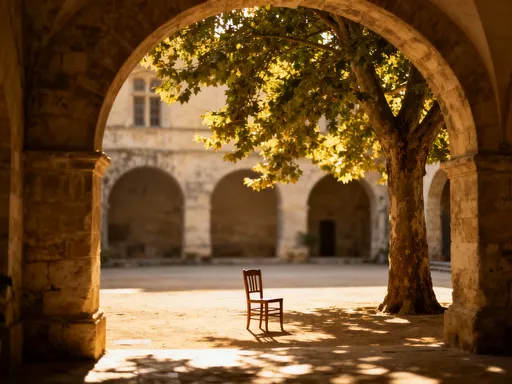
Another retreat lies within La Chartreuse, a former Carthusian monastery just outside the city center. Though parts of the complex are now used for exhibitions, the cloister and surrounding gardens remain deeply peaceful. The central courtyard, with its arched walkways and central fountain, evokes centuries of contemplative life. Walking here, you can almost hear the soft footsteps of monks long gone. The surrounding green spaces include vegetable plots grown using traditional methods and orchards heavy with figs and pomegranates in late summer. It’s a place where history and horticulture merge, offering a rare blend of serenity and substance.
Café Culture as a Lifestyle
In Avignon, coffee is not a caffeine fix—it’s a ritual, a social anchor, a reason to pause. The city’s café culture is deeply woven into daily life, and to understand it is to understand the local approach to relaxation. Unlike the grab-and-go mentality of larger cities, here, ordering an espresso often means settling in for at least thirty minutes. The best cafés are not the ones with the loudest music or the longest menus, but those where the owner remembers your drink, where newspapers are provided in multiple languages, and where no one rushes you to vacate your seat.
Rue des Teinturiers, a charming street that follows an old canal, is lined with such places. Cafés here open directly onto the water, where small weirs create a constant, soothing trickle. Sitting at an outdoor table with a coffee and a croissant, you can watch dragonflies skim the surface or leaves drift slowly downstream. The light here is soft, filtered through plane trees that arch overhead. It’s not unusual to see someone working on a sketchpad or writing in a journal, undisturbed for hours. This is not tourism—it’s participation in a way of life that values stillness as much as productivity.
The rhythm of café-hopping in Avignon is slow and intuitive. You might start at a morning spot near Place Crillon, move to a midday salad at a shaded terrace on Rue du Rempart, then end with a herbal tea by the river. Each stop is not about consumption but connection—to the place, to the moment, to yourself. The best moments often happen between sips, in the quiet gaps where thought expands and breath deepens. In a world that glorifies busyness, Avignon’s cafés are quiet rebels, offering a different kind of nourishment.
Markets That Feed the Soul
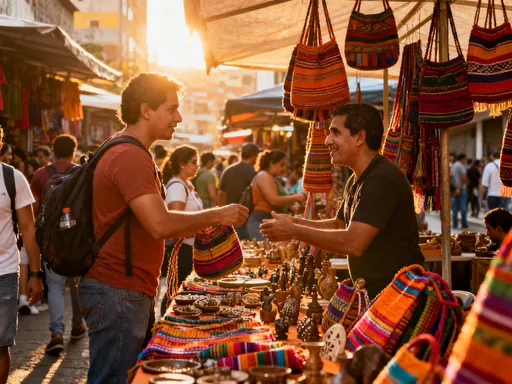
The Halles d’Avignon, the city’s covered market, is more than a place to buy food—it’s a sensory sanctuary, a weekly celebration of abundance and community. Open every morning except Monday, the market fills a grand 19th-century iron and glass hall, where sunlight filters through the roof and settles on mounds of colorful produce. The air is rich with the scent of ripe peaches, wild thyme, and just-baked fougasse. Vendors call out greetings, not sales pitches, and the exchange of goods feels like a quiet dance of trust and tradition.
Walking through the market is a slow, immersive experience. You’re encouraged to touch, smell, and taste. A cheese seller might offer a sample of fresh chèvre with a sprig of rosemary. A fruit vendor might hand you a slice of sun-warmed melon, insisting it’s the best of the season. These moments are not transactions—they’re invitations to savor. The market is especially magical in summer, when tomatoes come in every shade from golden yellow to deep purple, and baskets overflow with basil, figs, and lavender.
But the Halles is not just about what you can buy—it’s about how it makes you feel. The steady hum of conversation, the clink of baskets, the laughter between neighbors—these sounds create a kind of emotional warmth that’s hard to find elsewhere. For visitors, spending an hour here can be as restorative as a nap. It’s a reminder that nourishment goes beyond the plate. To wander the market is to participate in a daily ritual that values quality, seasonality, and human connection. In a world of fast food and online shopping, this is a radical act of slowness.
Beyond the City Walls: Day Trips for Deep Relaxation
While Avignon itself offers countless ways to unwind, its true gift is location—nestled in the heart of Provence, it serves as a gateway to even deeper forms of relaxation. Just a short drive or bike ride away are villages and landscapes that embody the region’s quiet elegance. L’Isle-sur-la-Sorgue, less than 30 minutes away, is often called the “Venice of Provence” for its network of canals and waterwheels. But more than its beauty, it’s the pace that captivates. Antique shops line the banks, but the real treasure is the way time seems to stretch here. You can sit by the water with a book, rent a small boat, or simply watch the light shift on the stone bridges.
Another ideal escape is Villeneuve-lès-Avignon, just across the Rhône. Connected by a modern bridge, this quiet town offers panoramic views from the top of Mont Gaussier and the peaceful cloisters of the Chartreuse de Villeneuve. The Saint-André fort, once a military stronghold, now stands as a silent guardian over vineyards and olive groves. Walking its ramparts, you can see both Avignon and the Alpilles in the distance, but the real reward is solitude. It’s a place to breathe deeply, to feel the wind on your face, to remember that rest is not passive—it’s a form of reconnection.
For those drawn to water, Lac du Crès, about 40 minutes south, offers a different kind of calm. Surrounded by pine forests, the lake is perfect for swimming, paddling, or lying under an umbrella with a novel. Unlike crowded seaside resorts, this is a place where families come for generations, where children build sandcastles and grandparents nap in the shade. The water is clean, the air pine-scented, and the vibe effortlessly relaxed. These day trips are not about ticking off sights—they’re about extending the mood of Avignon into wider landscapes of peace.
Designing Your Slow Itinerary: Practical Tips
Planning a trip to Avignon doesn’t require a rigid schedule—quite the opposite. The most fulfilling visits are those that leave room for the unexpected, for moments that can’t be booked or timed. That said, a few thoughtful choices can enhance your ability to relax. First, consider staying within the old town. Hotels and rentals here place you within walking distance of cafés, markets, and quiet squares, eliminating the need for taxis or constant navigation. Choose accommodations with balconies or inner courtyards—spaces where you can begin and end your day in peace.
Timing matters, too. Visit in late spring or early autumn to avoid the summer crowds. Mornings are ideal for exploring—the light is soft, the streets are quiet, and the markets are at their most vibrant. Afternoon is for retreating—whether to a shaded garden, a riverside bench, or a nap in your room. Embrace the local rhythm: a light lunch, a pause, then a late stroll as the sun begins to set. Avoid over-scheduling. You don’t need to see every museum or monument. Sometimes, the most memorable day is the one spent mostly sitting, watching, and being.
Let spontaneity guide you. If you pass a small bakery with a line of locals, join it. If you hear music from a hidden courtyard, follow the sound. These unplanned moments often become the heart of your trip. Bring a small notebook or sketchpad—writing or drawing slows your perception and deepens your experience. And above all, give yourself permission to do nothing. True relaxation isn’t about filling time—it’s about emptying it, making space for presence. In Avignon, that space is everywhere, waiting to be noticed.
Conclusion
Leisure in Avignon isn’t an activity—it’s a state of mind. By stepping off the beaten path and tuning into the city’s quiet rhythms, travelers discover that the deepest experiences aren’t rushed, but revealed. It’s in the steam rising from a morning coffee, the shadow of a plane tree on ancient stone, the sound of water moving slowly past a forgotten bridge. These are not grand events, but quiet truths. Let Avignon teach you how to rest, truly—not as a pause between tasks, but as a way of living. In a world that never stops, this is the most radical luxury of all.