Tulum’s Soul: Where Culture Comes Alive Off the Beaten Path
Tulum isn’t just beaches and ruins—it’s a living cultural tapestry. From ancient Mayan traditions to local artisanship, every corner whispers history. I went seeking sun, but found something deeper: authentic connections, vibrant rituals, and moments that stayed with me long after. This is travel that transforms. Let’s explore the real Tulum—beyond the filters and into the heart of Mexico’s most soulful coastline.
First Impressions: Tulum Beyond the Postcard
Arriving in Tulum, many travelers expect a postcard-perfect scene of turquoise waves lapping against palm-lined shores, with boutique eco-resorts nestled between the jungle and the sea. And yes, that version of Tulum exists—but only in fragments. The true essence of this coastal gem reveals itself not at the Instagram-famous beach clubs, but in the quiet hum of everyday life beyond the tourist corridor. As you move inland, past the boutique-lined strips of Aldea Zama and down dusty roads lined with bougainvillea, the rhythm changes. Roosters crow at dawn, neighbors greet each other in Mayan, and the scent of wood smoke drifts from backyard kitchens where tortillas are still pressed by hand.
This shift from curated aesthetic to lived reality is where Tulum begins to unfold its deeper layers. The town itself, often overlooked by visitors heading straight to the coast, pulses with a blend of tradition and transformation. It’s a place where ancient customs coexist with a growing global consciousness, shaped by both local resilience and international influence. The bohemian energy—evident in yoga studios, vegan cafes, and art collectives—is real, but it doesn’t overshadow the enduring presence of Mayan culture. In fact, the most meaningful experiences arise when these worlds intersect with respect and intention.
Walking through the central neighborhoods, you’ll notice murals honoring Mayan elders, small altars at family homes adorned with marigolds and candles, and children playing in the plaza under the watchful gaze of a weathered statue of an ancestral figure. These are not staged for visitors. They are part of a living heritage, quietly continuing through generations. To witness them is to understand that Tulum is not a destination frozen in time or reinvented for tourism—it is a community in motion, carrying its past into the present with dignity and pride.
The Heart of Mayan Heritage: Ruins with Meaning
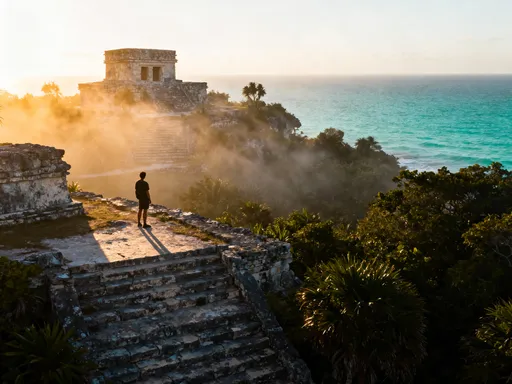
Perched on limestone cliffs overlooking the Caribbean Sea, the Tulum archaeological site is one of the most visually striking ancient cities in the Americas. But its beauty is more than scenic—it is deeply symbolic. Built between the 13th and 15th centuries, Tulum was a vital port and ceremonial center for the Maya, one of the last great cities to flourish before Spanish arrival. El Castillo, the main pyramid, rises like a sentinel over the coastline, while the Temple of the Frescoes contains intricate murals depicting deities, celestial events, and ritual life. These structures were not merely homes or fortresses; they were sacred spaces aligned with astronomical cycles and spiritual beliefs.
Understanding this context transforms a casual visit into a profound encounter. When you walk these ruins, you’re not just observing stones and carvings—you’re stepping into a worldview where the natural and divine were inseparable. The position of the temples reflects the Mayan reverence for the sun, moon, and stars. El Castillo, for instance, is oriented so that during the equinoxes, the play of light and shadow creates the illusion of a serpent descending the staircase—a representation of Kukulkan, the feathered serpent god. Such details reveal a civilization deeply attuned to cosmic rhythms, where architecture served both practical and sacred purposes.
To experience the site with depth, timing and guidance matter. Arriving early in the morning, before the heat and crowds build, allows for a more contemplative atmosphere. The soft light enhances the textures of the weathered stone, and the sounds of howler monkeys in the jungle behind the ruins add a primal layer to the experience. Equally important is engaging a local guide—ideally one from the region—who can share not only historical facts but also cultural insights passed down through families. These guides often speak with quiet reverence about the site, referring to it not as a relic, but as a living ancestor.
Such visits, done mindfully, avoid the pitfalls of cultural commodification. There’s a difference between learning and consuming. When we approach these ruins with humility—removing shoes before stepping onto certain platforms, refraining from touching delicate carvings, listening more than speaking—we honor the legacy they represent. The ruins of Tulum are not a backdrop for photos; they are a testament to a civilization that continues to influence the region’s identity today.
Living Traditions: Connecting with Local Communities
While the ruins offer a window into the past, the living communities surrounding Tulum provide a direct connection to the present-day Mayan world. In villages like Tres Reyes, Francisco Uh May, and San Juan, traditions are not preserved in museums—they are practiced daily. These towns, often bypassed by mainstream tourism, are where Mayan language, spirituality, and social customs thrive. For the respectful traveler, visiting these communities can be one of the most enriching aspects of a trip to Tulum, offering a chance to move beyond observation and into genuine exchange.
One of the most powerful experiences is witnessing or, when appropriate, participating in traditional Mayan ceremonies. These may include offerings to the earth, blessings for a new home, or seasonal celebrations tied to agricultural cycles. Such events are not performances for tourists; they are sacred acts. When they are open to visitors, it is usually through personal invitation or organized cultural programs that prioritize authenticity and consent. In these moments, the importance of humility becomes clear. Observing quietly, dressing modestly, and following local protocols—such as not photographing certain rituals—is essential. The goal is not to document, but to witness with respect.
Equally meaningful are interactions with local artisans. In Tres Reyes, for example, families have preserved the art of hammock weaving for generations. Using hand-carved wooden looms, they create intricate, breathable hammocks that are both functional and symbolic—woven threads representing the interconnectedness of life. Visitors can watch the process, learn about the dyes made from local plants, and even try their hand under patient guidance. These encounters are not transactional; they are relational. When you buy a hammock directly from a weaver, you’re not just acquiring a souvenir—you’re supporting a livelihood and acknowledging the value of ancestral knowledge.
Building these connections requires intention. It means slowing down, learning a few phrases in Yucatec Maya or Spanish, and approaching each interaction with openness rather than expectation. It also means understanding that not every tradition is meant to be shared. Some ceremonies, stories, and practices are protected within the community. Respecting these boundaries is not a limitation—it is a sign of true cultural appreciation. When travelers honor this, they become guests, not intruders, and the experience becomes reciprocal rather than extractive.
Flavors That Tell a Story: Food as Cultural Expression
In Tulum, food is not just sustenance—it is memory, identity, and continuity. Every dish carries echoes of the past, from the way corn is nixtamalized to the use of achiote paste in slow-cooked meats. The flavors here are not curated for foreign palates; they are rooted in centuries of agricultural wisdom and communal practice. To eat in Tulum is to taste history, one bite at a time. And while high-end farm-to-table restaurants have gained attention, the most authentic culinary experiences are found in unassuming places: street-side grills, family-run cocinas económicas, and home kitchens that welcome visitors through community-led tours.
Take cochinita pibil, for example—a dish so emblematic of the Yucatán that it feels like a declaration of regional pride. Made with pork marinated in achiote and sour orange, then wrapped in banana leaves and slow-roasted in a pit, the technique dates back to pre-Hispanic times. The earthy aroma, the tender meat, the tangy salsa—it’s a sensory journey into Mayan gastronomy. You’ll find excellent versions at small stands near the mercado in central Tulum, where grandmothers tend the fire and serve tacos on handmade corn tortillas. These tortillas, made from locally ground maize, are a world apart from their mass-produced counterparts—soft, slightly sweet, and imbued with the care of hands that have shaped them for decades.
Another staple is panuchos and salbutes—crispy tortillas topped with refried beans, shredded turkey or chicken, pickled onions, and fresh avocado. These dishes reflect the ingenuity of Mayan cooking, where limited ingredients are transformed into complex, satisfying meals. Even simple street food, like elote (grilled corn slathered in mayonnaise, cheese, and chili), tells a story of adaptation and flavor balance. What makes these meals special is not just the taste, but the context: they are prepared with pride, served with warmth, and eaten with hands, not for presentation, but for connection.
For travelers seeking deeper engagement, cooking classes with local families offer a rare opportunity to learn directly from those who preserve these traditions. These are not staged demonstrations; they are real kitchen experiences, where you’ll grind spices in a molcajete, stir pots over open flames, and sit down to eat with the family afterward. Such moments break down the barrier between visitor and host, creating space for laughter, storytelling, and mutual respect. When you leave with a handwritten recipe and a full stomach, you carry more than a memory—you carry a piece of living culture.
Art, Music, and Craft: Creativity Rooted in Tradition
Art in Tulum is not confined to galleries or souvenir shops—it flows through the streets, markets, and homes of the community. From the vibrant textiles of the huipil dresses to the hand-carved wooden masks used in ceremonies, creativity here is inseparable from cultural identity. The colors, patterns, and materials all carry meaning: geometric designs may represent the cosmos, while certain motifs honor ancestors or natural elements like rain and maize. This is not decorative art for decoration’s sake; it is symbolic, functional, and deeply rooted in worldview.
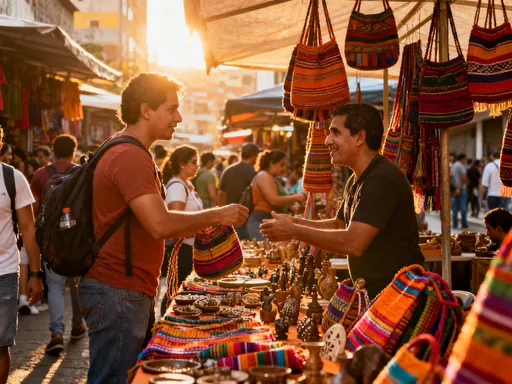
Local markets, such as the artisan fair near the Tulum ruins or the weekly market in Playa del Carmen, offer a chance to see—and support—this craftsmanship firsthand. Here, you’ll find weavers from the Puuc region selling handwoven bags and table runners dyed with natural pigments from indigo, annatto, and cochineal. Each piece takes days to complete, and the process itself is a form of meditation and continuity. When you purchase directly from the artisan, you’re not just buying a product; you’re sustaining a practice that might otherwise fade in the face of mass production.
Music, too, plays a vital role in cultural expression. In town plazas or during community festivals, you might hear the rhythmic tapping of marimba, the haunting melodies of Mayan-language songs, or the call-and-response chants of traditional dances. These sounds are not performed for tourists; they are part of daily life and communal celebration. Listening to them—even without understanding the words—can be a deeply moving experience, a reminder that culture is not just seen, but felt and heard.
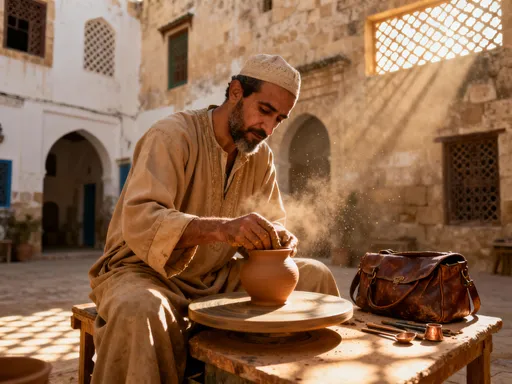
For those who wish to go deeper, ethical workshops offer a chance to learn traditional crafts under the guidance of local masters. Whether it’s weaving on a backstrap loom, painting ceramic tiles with ancestral symbols, or carving wood with time-honored tools, these experiences are designed to educate and honor, not exploit. They emphasize patience, precision, and respect for the process. Participants leave not with a perfect souvenir, but with an understanding of the skill, time, and spirit behind each creation. In a world of fast consumption, these moments of slow creation are revolutionary.
Sacred Natural Spaces: Cenotes and Spiritual Energy
Scattered throughout the Yucatán Peninsula like hidden jewels, cenotes are more than natural wonders—they are sacred portals in Mayan cosmology. Formed by the collapse of limestone bedrock, these freshwater sinkholes were once the primary water sources for ancient cities and are still revered as entrances to the underworld, or Xibalba. For the Maya, cenotes were not just practical; they were spiritual. Ritual offerings, including jade, pottery, and even ceremonial objects, have been found in their depths, evidence of their role in religious life.
Today, cenotes remain places of reverence and renewal. Swimming in one—surrounded by stalactites, dappled sunlight, and the quiet echo of water—is often described as a meditative experience. The coolness of the water, the stillness of the chamber, the sense of being underground yet connected to the sky—all contribute to a feeling of sacredness. Cenote Suytun, with its single beam of light piercing the darkness like a divine spotlight, is one of the most photographed, but smaller, community-run cenotes offer a more intimate and respectful alternative.
Responsible visitation is crucial. As tourism has grown, so has pressure on these fragile ecosystems. Some cenotes suffer from overcrowding, pollution, and the erosion of cultural sensitivity. To visit with care means choosing sites that prioritize conservation, follow carrying capacity limits, and involve local communities in management. It means avoiding chemical sunscreens, refraining from loud noises, and treating the space as a sanctuary, not a playground. When you enter a cenote, you’re not just a tourist—you’re a guest in a sacred place.
For many visitors, the experience becomes a moment of reflection. Whether you believe in the spiritual dimensions or not, there is an undeniable energy in these spaces—quiet, ancient, and humbling. Taking a few minutes to sit in silence, breathe deeply, and acknowledge the significance of the place can transform a simple swim into a meaningful ritual. In a world of constant noise, such stillness is rare—and deeply needed.
Traveling with Respect: A Guide to Meaningful Cultural Exchange
Traveling in Tulum offers a rare opportunity: to move beyond sightseeing and into genuine cultural exchange. But this requires more than curiosity—it demands responsibility. The difference between respectful engagement and cultural appropriation lies in intention, behavior, and impact. When we travel with care, we don’t just take memories; we leave positive ripples. This begins with simple but powerful choices: how we dress, what we photograph, whom we support, and how we listen.
Photography, for instance, is a common but sensitive issue. While it’s natural to want to capture beautiful moments, snapping pictures of people, ceremonies, or sacred spaces without permission can be deeply disrespectful. Always ask before photographing individuals, especially elders or those in traditional dress. If the answer is no, accept it gracefully. Better yet, put the camera down and simply be present. Some of the most lasting memories are those we carry in our hearts, not on our devices.
Dress matters, too. In villages and during ceremonies, modest clothing shows respect. Covering shoulders and knees is often expected, not as a rule, but as a gesture of humility. Learning a few basic phrases in Spanish or Mayan—like báax wáal (hello) or maaya t’áan (Maya language)—can open doors and warm hearts. These small efforts signal that you’re not just passing through, but trying to connect.
Economically, the most impactful choice is to support local. Stay in community-run cabins instead of international chains. Hire local guides who can share authentic stories. Eat at family-owned restaurants and buy crafts directly from artisans. These decisions keep resources within the community and empower cultural preservation. When tourism benefits the people whose culture is being shared, it becomes a force for good.
Finally, remember that cultural exchange is not a one-way transaction. It’s a relationship. It requires listening more than speaking, observing more than performing, and giving more than taking. When we approach Tulum not as a destination to conquer, but as a living culture to honor, we transform not only our travel, but ourselves.
Conclusion
Tulum’s true magic lies in its living culture—not in curated resorts, but in quiet village plazas, family kitchens, and ancient trees shading centuries-old stories. When we travel with curiosity and care, we don’t just see a place—we become part of its ongoing narrative. This is how Tulum should be experienced: deeply, respectfully, and with an open heart. From the whisper of a weaving loom to the silence of a sacred cenote, every moment offers a chance to connect with something greater than ourselves. Let us move beyond the filters, step off the beaten path, and embrace the soul of this remarkable coastline. In doing so, we don’t just visit Tulum—we remember what it means to belong.