Sokcho Unfiltered: Where Culture Clicks and Every Moment Feels Like a Post-Worthy Story
Sokcho, nestled between the East Sea and Seoraksan’s rugged peaks, isn’t just a dot on Korea’s map—it’s a living canvas of tradition, flavor, and quiet magic. I went looking for打卡 moments, but found something deeper: authentic cultural sparks in street markets, temple stays, and local rituals. This isn’t just travel—it’s connection. If you crave experiences that feel real, not rehearsed, Sokcho might just be your next obsession. Here, the mountains breathe with ancient energy, the sea hums with daily life, and every alleyway tells a story that no filter could ever capture. This is Korea as it’s lived, not staged.
First Impressions: Why Sokcho Surprises
Sokcho greets visitors with a quiet confidence, a city that doesn’t shout but instead invites you to lean in and listen. Unlike the neon pulse of Seoul or the maritime bustle of Busan, Sokcho unfolds gently—its rhythm shaped by tides, mountain mists, and the unhurried pace of coastal life. Located in the northeastern part of Gangwon Province, it is where the dramatic slopes of Seoraksan National Park meet the shimmering waters of the East Sea. This unique geography isn’t just scenic—it shapes the soul of the city. The air carries the crispness of pine from the mountains and the briny tang of the sea, a sensory blend that signals you’ve entered a place apart.
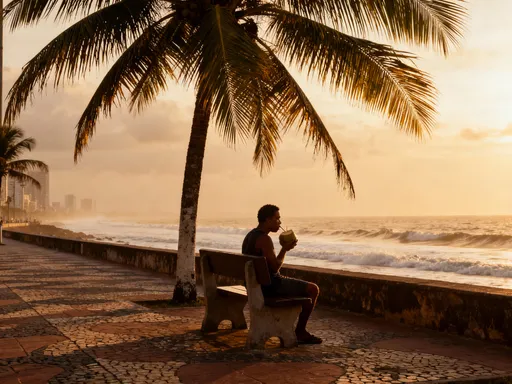
What surprises most travelers is how unpolished and genuine Sokcho feels. There are no towering skyscrapers or sprawling shopping malls, but rather a harmonious blend of natural beauty and modest urban life. Families gather at dawn to walk the Sokcho Beach promenade, fishermen mend nets along the harbor, and elders sip barley tea at corner benches, watching the day begin. This authenticity makes Sokcho ideal for travelers in their 30s to 50s—those who value meaningful moments over crowded attractions. It’s a destination where you can breathe deeply, slow down, and truly see.
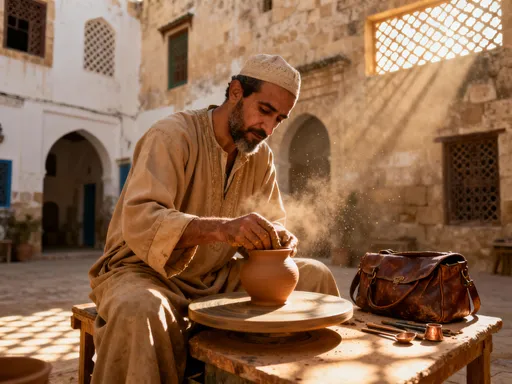
The city’s modest size also enhances its appeal. With a population just over 100,000, Sokcho is large enough to offer amenities and cultural depth, yet small enough to feel intimate. Visitors can explore the city center on foot, rent a bike to follow the coastline, or take a short bus ride into the foothills. This accessibility allows for spontaneous discoveries—a hidden shrine tucked into a forested hillside, a family-run tea house with ocean views, or a local artist selling handmade pottery in a quiet alley. These are the unplanned moments that become the heart of a journey.
For women in midlife seeking travel that nourishes both the spirit and the senses, Sokcho offers a rare balance. It’s safe, clean, and welcoming, with a pace that supports reflection and reconnection. Whether traveling solo, with a friend, or as part of a family trip, the city invites a different kind of engagement—one rooted in presence rather than performance. Here, the goal isn’t to check off landmarks, but to absorb the quiet dignity of a place that lives by its own rhythm.
The Heartbeat of Tradition: Sokcho’s Cultural Soul
Beneath Sokcho’s scenic surface beats a steady pulse of tradition, one that has been preserved not as a museum exhibit, but as a living, breathing part of daily life. The city’s cultural identity is deeply tied to its geography—shaped by the sea, the mountains, and the seasons. From fishing villages where nets are still cast by hand to temples that have stood for centuries, Sokcho’s heritage is not performed for tourists but lived by its people. This distinction is what makes a visit here so meaningful.
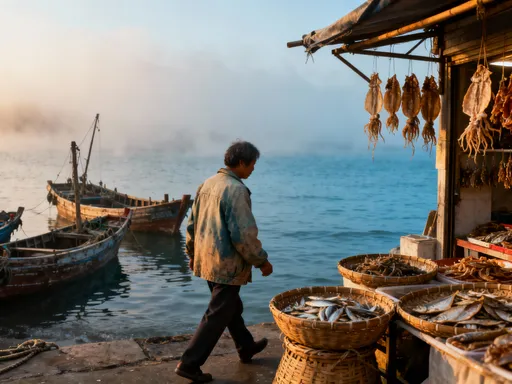
One of the most enduring traditions is the role of the haenyeo, or female divers, though more commonly associated with Jeju Island, their spirit echoes in Sokcho’s coastal communities. Local women and men still rely on the sea for sustenance, and the early morning fish markets reflect this deep connection. At Cheongho Fish Market, baskets overflow with octopus, sea urchin, and freshly caught mackerel, each item a testament to the day’s labor. These routines—rooted in respect for nature and community—are not staged for visitors but are part of the city’s quiet resilience.
Seasonal festivals further reveal Sokcho’s cultural depth. The Cherry Blossom Festival in spring transforms the city into a soft pink dreamscape, with locals gathering for picnics under blooming trees along the Soyang River. It’s a time of renewal and celebration, marked by traditional music, food stalls, and children laughing in hanbok. Similarly, the Danoje Festival, observed in early summer, honors ancestral customs with rituals that include rice cake offerings, folk games, and shamanic ceremonies. These events are not tourist spectacles but community-centered observances, open to respectful visitors who wish to witness and participate.
What makes these traditions especially powerful is their continuity. Elders pass down songs, recipes, and crafts to younger generations, ensuring that cultural knowledge endures. In Sokcho, you might see a grandmother teaching her granddaughter how to fold bindaetteok batter, or a fisherman showing his son how to read the tides. These intergenerational moments are the true heart of Korean culture—intimate, unscripted, and full of quiet pride. For travelers, observing or gently engaging in these practices fosters a deeper understanding of what it means to belong to a place.
Temple Stay at Sinheungsa: A Mindful Detour
For those seeking a deeper connection to Korea’s spiritual heritage, a temple stay at Sinheungsa offers a rare and transformative experience. Nestled at the base of Seoraksan, this centuries-old Buddhist temple is one of the most accessible and welcoming sites for visitors interested in mindfulness and cultural immersion. The program, designed for both Koreans and international guests, provides a structured yet gentle introduction to monastic life, emphasizing simplicity, presence, and inner stillness.
The day begins before sunrise with a bell ringing through the mountain air. Guests rise, dress in provided hanbok-style robes, and gather in the main hall for morning chanting. Led by a resident monk, the service is a blend of sutra recitation, meditation, and bowing, each movement deliberate and calming. No prior knowledge is required—participants are guided with patience and warmth. The atmosphere is reverent but never intimidating, creating space for reflection regardless of one’s spiritual background.
After the service, guests participate in beomgyo meditation, a seated practice that focuses on breath and awareness. For many women in their 30s to 50s, this quiet time becomes a rare gift—a chance to pause, release daily pressures, and reconnect with oneself. The surrounding forest amplifies the sense of peace, with birdsong and rustling leaves replacing the usual noise of modern life. This is not about achieving enlightenment, but about experiencing a different way of being—one rooted in gratitude and presence.
Meals at Sinheungsa are another highlight. Temple cuisine is vegetarian, seasonal, and meticulously prepared to nourish both body and mind. Dishes are served in individual lacquer bowls, and guests eat in silence, savoring each bite. The food is simple—fermented vegetables, tofu stew, mountain greens—but deeply satisfying. Eating this way becomes a form of mindfulness, a reminder to honor the labor and care behind every meal.
Practical details make the experience accessible. Temple stays can be booked through the official Jogye Order website or via local travel agencies. A one-night program typically includes lodging, two meals, and all activities. Participants should bring comfortable clothing, toiletries, and an open mind. It’s important to follow basic etiquette: speaking quietly, removing shoes indoors, and refraining from public displays of affection. Cameras are allowed but should be used discreetly, especially during rituals. The experience is not about convenience, but about stepping into a different rhythm—one that values stillness over speed, and connection over consumption.
Street Food as Storytelling: Flavors That Define Sokcho
In Sokcho, food is more than sustenance—it’s a language, a history, a shared experience. The city’s culinary identity is shaped by its coastal location and mountainous terrain, resulting in a cuisine that is fresh, bold, and deeply rooted in local life. From the bustling fish markets to the sizzling grills of the night food stalls, every bite tells a story of resilience, seasonality, and community.
One of the most iconic dishes is hongeo, fermented skate, known for its strong aroma and distinctive texture. While not for the faint of heart, it is a point of pride for locals and a must-try for adventurous eaters. Served raw with layers of pork and kimchi in a dish called hongeo-hoe, it delivers a complex, pungent flavor that lingers. The fermentation process, which can take weeks, reflects a tradition of preservation born from necessity—a way to store protein through long winters. Today, it stands as a symbol of regional identity, a food that connects modern diners to ancestral ways of living.
For a milder introduction to Sokcho’s flavors, try saengseon-jeon, or seafood pancakes. Made with squid, shrimp, and green onions, these golden-brown delights are pan-fried to crisp perfection and served with a tangy dipping sauce. Found at street carts near Dongmyeong Market and along the beachfront, they are perfect for a midday snack. Equally popular is dakgangjeong—crispy fried chicken glazed in a sweet and spicy sauce, a modern favorite that bridges traditional and contemporary tastes.
The Cheongchoho Fish Market is the epicenter of Sokcho’s food culture. Open early each morning, it draws locals and visitors alike to its lively aisles. Vendors proudly display their catch—live crabs scuttling in tanks, glistening mackerel on ice, and delicate sea cucumbers in shallow bowls. Many stalls offer fresh seafood prepared on the spot—sliced raw as hoe, grilled over charcoal, or simmered into a hot stew. Hygiene standards are high, with regular inspections and clean preparation areas, making it safe and enjoyable for all.
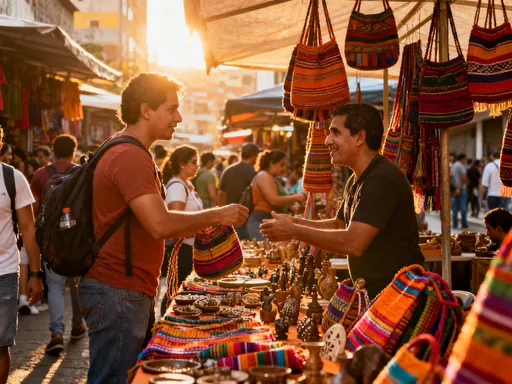
Eating like a local means embracing the rhythm of the market. Sit at a communal table, point to what looks fresh, and let the vendor guide you. Order a small bottle of soju or a cup of omegi-tteok, a chewy rice cake made with mugwort, to complete the meal. This is not fine dining, but something more valuable—a chance to connect through food, to share space with fishermen, families, and fellow travelers. In these moments, flavor becomes conversation, and every meal becomes a quiet act of cultural exchange.
Art Walks and Hidden Galleries: Creativity Along the Waterfront
Sokcho’s creative spirit is quietly flourishing, woven into the city’s streets, alleys, and shoreline. While it may not rival Seoul’s art districts, the city has cultivated a distinctive artistic identity—one inspired by the raw beauty of the East Coast and the introspective mood of mountain life. From open-air murals to intimate galleries, art here feels personal, grounded, and deeply connected to place.
The Art Valley, located just outside the city center, is a standout destination. Once a neglected quarry, it has been transformed into an open-air gallery featuring sculptures, installations, and seasonal exhibitions. Paths wind through moss-covered rocks and reflecting pools, with artworks emerging like natural extensions of the landscape. During the Sokcho International Art Festival, local and international artists create site-specific pieces, turning the valley into a living dialogue between nature and creativity. For visitors, it’s a place to wander slowly, to pause, and to see beauty in unexpected forms.
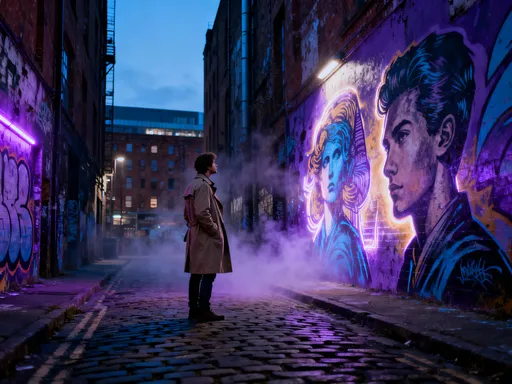
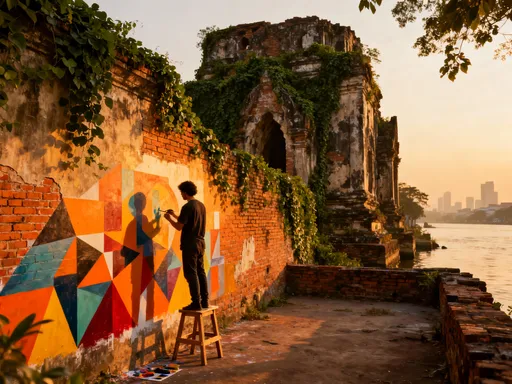
Along the Sokcho Beach promenade, colorful murals depict scenes of maritime life—fishing boats, diving women, and mountain silhouettes. These public artworks, often created by local artists, celebrate the city’s heritage while adding vibrancy to everyday spaces. Nearby, indie cafes double as mini-galleries, displaying paintings, ceramics, and handmade jewelry. Places like Café Mountain View or Ocean Sketch offer more than coffee—they provide a window into the creative lives of Sokcho’s residents.
Small galleries, though modest in size, are rich in character. The Sokcho Art Museum, while compact, hosts rotating exhibitions of East Coast-inspired works, from traditional ink paintings to contemporary photography. During cultural weeks, open studio events allow visitors to meet artists in their workshops, watch pottery being shaped on wheels, or try their hand at printmaking. These experiences are not about buying souvenirs, but about understanding the creative process—how a landscape can shape a brushstroke, or how silence can inspire a sculpture.
For women who appreciate beauty in its many forms, Sokcho’s art scene offers a quiet kind of inspiration. It’s not loud or commercial, but thoughtful and sincere. It invites you to look closely, to notice details, and to find meaning in simplicity. In a world that often values speed and spectacle, this slower, more intentional form of creativity feels like a gift.
Getting Around: Smart Moves for Deeper Access
Navigating Sokcho is part of the pleasure, offering multiple ways to engage with the city and its surroundings. The key to a fulfilling visit lies in balancing convenience with immersion—choosing transportation that allows both comfort and connection. Whether on foot, by bike, or via public transit, each mode opens different doors to the city’s soul.
Walking remains one of the best ways to experience Sokcho’s heart. The downtown area, including the fish market, shopping streets, and waterfront parks, is compact and pedestrian-friendly. Morning strolls along Sokcho Beach offer crisp sea air and views of the waves meeting the shore. As the sun rises, you’ll see locals practicing tai chi, children chasing seagulls, and couples walking hand in hand. These quiet moments are often the most memorable.
Biking is another excellent option, especially along the coastal bike path that stretches from the city center to the outskirts. Rental shops offer sturdy, easy-to-ride bicycles, often with baskets for carrying market purchases or picnic supplies. The route is well-maintained and mostly flat, making it suitable for all fitness levels. Along the way, you’ll pass seaside cafes, small shrines, and hidden coves perfect for a quiet pause. For those venturing toward Seoraksan, guided bike tours are available, combining light exercise with cultural commentary.
Public buses provide reliable access to more remote areas, including Sinheungsa Temple and the trailheads of Seoraksan National Park. Routes are clearly marked, and many buses have English signage or digital displays. Fares are affordable, and day passes are available for unlimited rides. While not as fast as private transport, buses allow you to travel like a local, observing daily life through the window—students in uniforms, workers heading to shifts, elders returning from morning markets.
For deeper exploration, consider timing your visits to avoid crowds. Early mornings at the fish market offer the freshest catch and the most authentic atmosphere. Weekday temple visits provide a quieter, more contemplative experience. Hiking trails are less crowded in the shoulder seasons—late spring and early autumn—when temperatures are mild and foliage is at its peak. By planning with intention, you can enjoy Sokcho not as a checklist, but as a living, breathing destination.
Why This Trip Stays With You: Beyond the Photo Op
A journey to Sokcho doesn’t end when the suitcase is unpacked. It lingers—in the memory of a silent meditation at dawn, the taste of a seafood pancake eaten by the sea, the sound of temple bells fading into the mountain mist. What begins as a search for beautiful moments often becomes something more profound: a reawakening of presence, a reminder that travel can be about depth, not just distance.
In an age where social media often reduces experiences to curated images, Sokcho offers a different kind of reward. It invites you to put the phone down, to look up, to listen. The city’s magic lies not in its post-worthiness, but in its authenticity—the way an elder smiles as she hands you a warm rice cake, the way a monk bows without expectation, the way the sea keeps its rhythm regardless of who is watching.
This is culture as experience, not performance. It’s not about staging the perfect shot, but about being part of a moment that unfolds naturally. For women who have spent years caring for others—raising children, managing homes, navigating careers—Sokcho offers a rare space to reconnect with oneself. It’s a place where you can walk without agenda, eat without guilt, and sit in silence without feeling the need to fill it.
Travel like this doesn’t require grand gestures or luxury resorts. It asks only for openness—to new flavors, new rhythms, new ways of seeing. And in return, it gives clarity. Sokcho reminds us that the most meaningful journeys are not those that change our location, but those that shift our perspective. It teaches that connection—whether to a place, a people, or a deeper part of ourselves—is the truest form of enrichment.
So if you’re ready to move beyond the surface, to seek not just sights but significance, let Sokcho be your next destination. Let the mountains ground you, the sea restore you, and the quiet moments remind you of who you are. This is more than a trip. This is a return—to beauty, to balance, to the stories that matter most.