Wheels, Tapas, and Sunsets: My Granada Food Road Trip
Driving through Granada feels like flipping through a food lover’s dream journal. One moment you're winding up quiet mountain roads, the next you’re pulling over for steaming *pisto con huevo* at a family-run *venta*. I came for the Alhambra, but stayed for the flavors—smoky paprika, sweet cured ham, golden olive oil drizzled over warm bread. This isn’t just a city of history; it’s a pantry of Andalusian soul. And behind the wheel, every meal feels like a discovery waiting at the next turn. Granada, nestled between the Sierra Nevada peaks and the sparkling Mediterranean, offers more than breathtaking views—it delivers an edible narrative shaped by centuries of culture, climate, and craftsmanship. When explored by car, this region reveals its culinary heart in ways no guided tour ever could.
Why Granada by Car Changes Everything
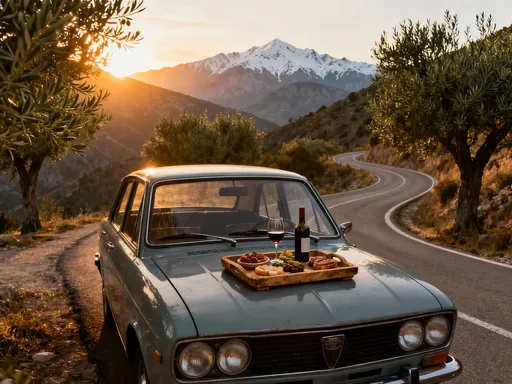
Traveling through Granada by car transforms the experience from observation to immersion. Public transportation limits access to remote villages and hidden dining gems, but with your own vehicle, the entire province becomes a menu waiting to be sampled. The freedom to leave the city at dawn, chase a sunrise breakfast in a highland village, or linger over late-night tapas in a quiet plaza without worrying about bus schedules is priceless. Spain's road infrastructure is well-developed, with smooth highways connecting major towns and scenic secondary routes threading through olive groves, vineyards, and mountain passes. Driving through the foothills of the Sierra Nevada, for instance, offers panoramic views that rival any postcard—snow-capped peaks in the distance, terraced farms clinging to steep slopes, and the occasional ibex silhouetted against the sky.
But beyond the scenery, the real advantage lies in timing and authenticity. In central Granada, popular tapas bars fill quickly, especially during peak tourist seasons. By contrast, driving allows you to visit restaurants when locals do—early evening, before the dinner rush, or even mid-afternoon for a second lunch. You can time your arrival at a rural *venta* just as the chef pulls a clay pot of *olla de trigo*—a wheat and meat stew—out of the wood-fired oven. These moments, spontaneous and unhurried, define the soul of Andalusian dining. There’s also the joy of detours: a hand-painted sign reading “Queso Artesanal,” a roadside stall with ripe figs, or a small chapel surrounded by orange trees where you stop simply to breathe.
Practical considerations enhance the experience. Parking in Granada’s old town can be challenging, but most neighborhoods have municipal lots or quiet side streets where overnight parking is permitted. Outside the city, parking is rarely an issue—many family-run eateries have space beside the building or nearby plazas. Fuel stations are plentiful along main roads, and while rural areas may have spotty mobile service, offline GPS maps work reliably. Most importantly, driving allows for flexibility. If you hear about a weekly market in Orgiva or a festival in Lanjarón featuring local honey and wine, you can go—no need to coordinate with tour operators or timetables. The car becomes more than transport; it becomes a vessel for culinary adventure.
The Alhambra to Appetizers: First Bites in the City
Arriving in Granada, the first sight is often the Alhambra—its red-walled palaces glowing at sunset like embers on the hillside. Yet for food lovers, the true attraction begins just below, in the labyrinthine alleys of the Albaicín and Realejo districts. Here, history and hunger intersect. The Moors ruled this region for nearly 800 years, and their legacy lives on not only in architecture but in cuisine. Saffron, cumin, almonds, honey, and citrus—ingredients introduced during Islamic rule—still define the flavor profile of many local dishes. The city’s famous tapas tradition, where a drink comes with a free small plate, is more than a gimmick; it’s a social ritual rooted in generosity and community.
At a modest bar near Plaza Larga, ordering a glass of house red might bring two tapas: tender white anchovies marinated in vinegar and parsley, and broad beans sautéed with smoky *jamón serrano*. These aren’t afterthoughts—they’re精心 crafted, made fresh daily, and often reflect the season. In spring, you might find artichokes with garlic and olive oil; in winter, slow-cooked oxtail stew. The experience is intimate. The counter is crowded with locals catching up after work, the air thick with the scent of frying garlic and toasted bread. There’s no menu translation, no photos, no online reservation system—just trust in what’s being served.
This is where the palate awakens. The combination of Moorish spice blends, fresh mountain produce, and coastal seafood creates a cuisine that is both rich and balanced. Pastries like *piononos*—small, rolled sponge cakes soaked in syrup—are said to have originated in Granada and are now a city symbol. They’re best eaten warm, with a cup of strong coffee, at a corner café where the owner remembers your order. These early meals set the tone for the journey: food here isn’t just sustenance—it’s memory, identity, and welcome.
Sierra Nevada Detours: Mountain Flavors and Hidden Eateries
Leaving Granada city behind, the road climbs into the Sierra Nevada foothills, where the air cools and the landscape shifts from urban to rural. This is *Alpujarra* country—a string of whitewashed villages perched on steep slopes, connected by narrow roads and ancient irrigation channels called *acequias*. These villages, including Pampaneira, Bubión, and Capileira, are not just scenic; they are culinary sanctuaries. Here, food is shaped by altitude, isolation, and tradition. Meals are hearty, designed to sustain farmers and shepherds through long mountain days.
At a roadside *venta* just outside Pampaneira, lunch might be *migas*, a humble dish made from stale bread crumbs fried with garlic, chorizo, and pork. It sounds simple, but the flavor is deep—earthy, spicy, and deeply satisfying. The bread is often homemade, the olive oil pressed from local olives, and the sausage cured in mountain air. Nearby, a small farm sells fresh goat cheese, its tangy taste enhanced by the herbs the animals graze on. These ingredients don’t travel far; they’re eaten within kilometers of where they’re produced, ensuring peak freshness and flavor.
Seasonality governs the menu. In autumn, wild mushrooms appear—chanterelles and boletus gathered from the forest floor and sautéed with garlic and parsley. Spring brings tender asparagus and fresh lamb. Summer means figs, plums, and cherries from terraced orchards. Many villages host weekly markets where farmers sell directly to visitors—no middlemen, no packaging, just baskets of produce displayed on wooden tables. These markets are not tourist performances; they’re working hubs of rural life.
One of the greatest joys of driving through this region is getting “lost.” A wrong turn might lead to a family-run restaurant with no sign, where the owner greets you like a long-lost cousin and serves a plate of *gurullos*—a thick pasta similar to gnocchi—cooked in a tomato and meat sauce. There’s no menu, no prices listed—just whatever was made that morning. These unplanned meals often become the most memorable, not because they’re fancy, but because they’re real. They reflect a way of life where food is shared, not sold, and hospitality is second nature.
Coastal Twists: Almuñécar’s Seafood Escape
A 45-minute drive south from Granada city leads to a different world—one shaped by sea and sun. Almuñécar, a coastal town where the mountains meet the Mediterranean, offers a culinary contrast to the inland cuisine. Here, the diet is lighter, fresher, built around seafood, citrus, and vegetables cooled by sea breezes. The town’s Moorish past is still visible in its old fortress and tropical gardens, but it’s in the food that history truly comes alive.
At a beachfront *chiringuito*—a casual seaside shack—lunch is often grilled sardines, simply seasoned with coarse salt and lemon. The fish are caught that morning, their flesh firm and flavorful. Next to them might be a bowl of *gazpacho malagueño*, a regional variation of the classic cold soup. Unlike the tomato-based version from central Andalusia, this one is creamier, often made with bread, almonds, garlic, and olive oil, then served with boiled eggs and tuna. It’s a dish of contrasts—cool and rich, sharp and smooth—and perfect for a hot afternoon under a striped umbrella.
The sea influences more than just the menu. Salting and preserving fish was a necessity in pre-refrigeration times, and traditions like curing tuna or drying sardines continue today. Local markets display strings of *boquerones en vinagre*—anchovies marinated in vinegar—and jars of *mojama*, cured tuna loin, a delicacy often served with melon. These preserved foods speak to a history of resourcefulness, where nothing went to waste.
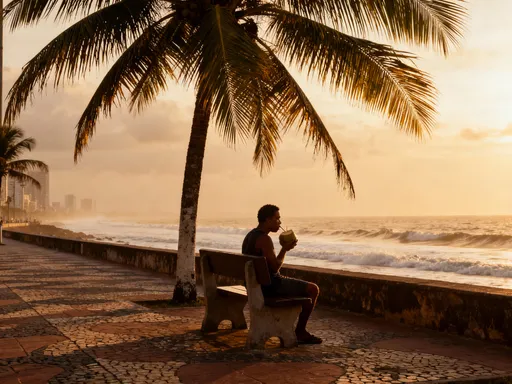
What makes Almuñécar special is the ease of the experience. You can park near the promenade, walk to the water, and eat within minutes. There’s no formality, no dress code, just the sound of waves and the smell of grilled fish. Families share large platters, couples sip white wine, children build sandcastles—all against a backdrop of turquoise water and green hills. This is Andalusian coastal life at its most relaxed. For a road tripper, a day here adds balance to the journey—mountain stews give way to light seafood, inland spices to ocean salt. It’s a reminder that Granada’s cuisine is not monolithic; it’s a mosaic shaped by geography.
Tapas Trail: Mapping the Best Free Bites in Granada
Granada’s tapas culture is legendary, but not all tapas are created equal. While some bars cater to tourists with predictable menus and pre-made plates, others uphold the tradition with pride, offering inventive, high-quality dishes at no extra cost. The key is knowing where to go. Locals have their favorites, and following their lead usually leads to the best experiences.
Near Calle Elvira, one of the city’s busiest streets, a small bar with a chalkboard menu serves *albóndigas*—meatballs—in a rich, spicy sauce infused with smoked paprika and a hint of cinnamon, a nod to Moorish influences. The meat is tender, the sauce thick enough to coat the bread served alongside. At another spot in the Realejo neighborhood, *berenjenas con miel*—thin slices of fried eggplant drizzled with orange blossom honey—offer a sweet-savory contrast that lingers on the palate. The eggplant is never greasy, the honey never cloying; it’s a balance achieved through practice and care.
How do you spot the authentic places? Look for crowds of locals, especially in the early evening. Avoid restaurants with laminated menus in five languages or flashy signs. The best spots often have no website, no social media presence—just word of mouth. Handwritten chalkboards, staff who speak only Spanish, and a steady flow of regulars are good signs. Also, pay attention to the rhythm: in true tapas bars, the kitchen is active, the plates come out hot, and the service is efficient but warm.
Some bars even compete to offer the most creative tapas. One might serve *tortilla de patatas* with a layer of goat cheese in the center; another offers *salmorejo*—a thicker cousin of gazpacho—topped with diced ham and hard-boiled egg. The spirit is generous, even playful. It’s not uncommon to receive more than one tapa per drink, especially if you stay awhile or visit during off-peak hours. This culture of giving reflects a deeper value: food is meant to be shared, enjoyed, and celebrated—not merely consumed.
Market to Table: Visiting Granada’s Fresh Hubs
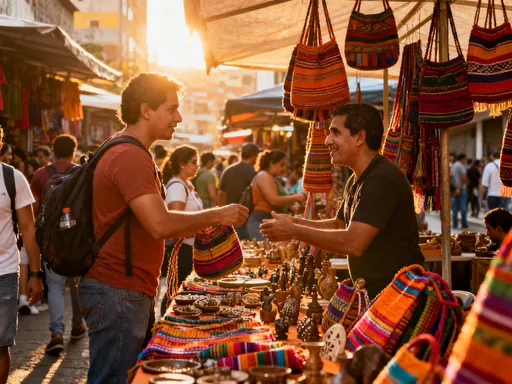
If tapas bars are the soul of Granada’s food scene, its markets are the heartbeat. Mercado de San Agustín, located in the Realejo district, is a vibrant example. Open daily, it draws both locals and curious visitors with its colorful stalls and lively atmosphere. Here, the seasons are visible in every basket: plump figs in late summer, blood oranges in winter, fat green asparagus in spring. Vendors call out specials, offer samples, and wrap purchases in brown paper—no plastic, no branding, just freshness.
Walking through the market is a sensory journey. The cheese stall displays rounds of *queso de cabra* from the Alpujarra, their rinds dusted with ash or herbs. Jars of *pimentón*—smoked paprika—come in sweet, bittersweet, and hot varieties, each adding a different dimension to stews and sauces. A fishmonger arranges sea bass, squid, and razor clams on ice, while a butcher hangs legs of *jamón ibérico*, their deep red marbling a sign of quality. The produce section bursts with color: deep purple eggplants, ruby-red peppers, golden pears, and bunches of fresh thyme and rosemary.
Shopping here is an art. Locals don’t rush. They touch the fruit, smell the herbs, ask questions. A simple “¿Qué me recomienda?” (“What do you recommend?”) often leads to a sample and a conversation. Vendors take pride in their goods and enjoy sharing knowledge. Learning a few basic phrases—“¿Cuánto cuesta?” (“How much?”), “Me pone medio kilo” (“Give me half a kilo”)—goes a long way. But even without fluent Spanish, a smile and genuine interest are understood.
The real magic happens when you take these ingredients and turn them into a meal. A picnic in the Alhambra gardens, a simple spread of bread, cheese, ham, olives, and fruit, becomes a celebration. There’s satisfaction in eating food you chose, touched, and carried yourself. It connects you to the land and the people who grow it. For a traveler, this experience—shopping, preparing, and sharing food—is as enriching as any monument or museum.
Driving Home: Lessons from the Road and the Table
As the road leads back toward home, the memories settle—not just of places seen, but of flavors tasted, people met, and moments shared. The scent of orange blossoms on a country lane, the warmth of a wood-fired oven in a mountain kitchen, the sound of waves at a seaside chiringuito—these linger longer than photographs. Driving through Granada taught more than navigation; it taught patience, curiosity, and presence. It showed that the best meals are not always planned, and the most meaningful connections happen over shared plates.
This journey revealed that food is more than fuel—it’s a language. In Granada, it speaks of history, of resilience, of generosity. It tells stories of Moors and Christians, of farmers and fishermen, of families preserving recipes across generations. And when explored by car, that language becomes accessible, intimate, personal. You’re not just visiting; you’re participating.
The lessons extend beyond travel. They remind us to slow down, to savor, to seek authenticity in everyday choices. Whether it’s choosing fresh ingredients at a local market or sharing a meal without phones or distractions, the principles of the Granada road trip apply at home. Food, at its best, brings people together. It nourishes not just the body but the spirit.
So for those considering a journey through southern Spain, let this be an invitation: take the wheel, follow the scents, and let the road guide you. Let the mountains feed your curiosity and the coast refresh your senses. Let each tapa be a discovery, each village a chapter. Granada, in all its culinary richness, awaits—not on a plate, but on a path only you can drive.