Through the Lens of Melbourne: Where Light, Streets, and Stories Align
Ever wondered how a city can feel both vibrant and serene at the same time? Melbourne does that—effortlessly. As a photographer, I’ve chased sunsets, alley art, and quiet corners here, and every shot tells a story. From the golden hour on Flinders Street to hidden laneways drenched in color, this city offers real moments. The light shifts like a painter’s brushstroke, the streets pulse with rhythm, and the stories unfold in glances, textures, and shadows. If you're looking to capture more than just postcard views, Melbourne’s soul is waiting—just behind the lens.
The Pulse of a Photogenic City: Why Melbourne Stands Out
Melbourne possesses a rare visual harmony—a city where 19th-century arcades coexist with sleek glass towers, and tree-lined boulevards give way to bursts of urban color. This architectural layering creates depth in every frame, offering photographers a dynamic palette of textures, lines, and contrasts. Unlike cities built for uniformity, Melbourne thrives on its contradictions: grand Victorian facades stand beside graffiti-covered lanes, and tranquil parks nestle within bustling districts. This blend isn’t accidental; it’s the result of thoughtful urban planning and a deep respect for cultural continuity, making the city inherently photogenic.
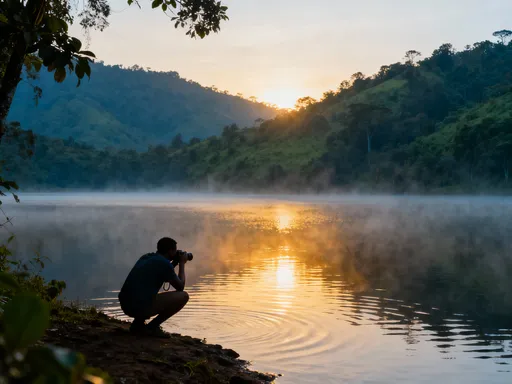
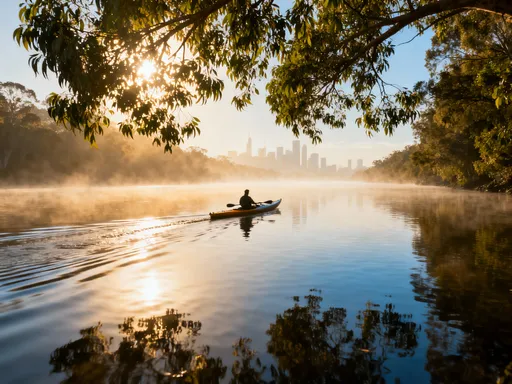
Light plays a defining role in Melbourne’s photographic appeal. The southern latitude and maritime climate produce soft, diffused illumination—ideal for capturing detail without harsh shadows. Mornings often arrive wrapped in a delicate mist, especially near the Yarra River, where fog curls around tree branches and blurs the line between water and sky. These conditions lend a dreamlike quality to early shots, turning ordinary scenes into ethereal compositions. As the day progresses, the light shifts—golden hour casts a warm glow across the CBD, highlighting the intricate stonework of historic buildings and turning glass facades into mirrors of the sky.
Weather adds another dimension to the city’s visual narrative. Melbourne’s reputation for “four seasons in one day” isn’t just a local saying—it’s a photographer’s gift. A sudden shower can leave puddles that reflect neon signs and passing trams, creating double exposures in real time. Overcast skies provide a natural softbox, perfect for portrait photography or capturing the subtle tones of street art. Even on cloudy days, the city doesn’t feel dull; instead, it takes on a moody, cinematic atmosphere that invites introspection and emotional depth in imagery.
Beyond architecture and light, Melbourne’s rhythm breathes life into photographs. The movement of people—commuters rushing across Flinders Street, artists pausing mid-spray, children laughing in parklands—adds human energy to static scenes. Capturing these moments requires patience and anticipation, but the reward is authenticity. A single gesture, a fleeting expression, or the way sunlight catches a coffee cup on a café table can transform a simple image into a story. Melbourne doesn’t demand grand gestures for great photos; it rewards those who observe quietly and shoot with intention.
Flinders Street Station: Iconic for a Reason
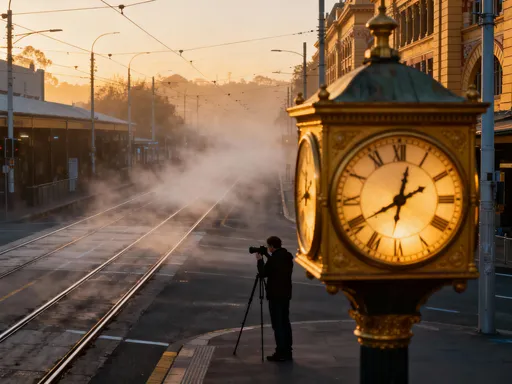
No landmark defines Melbourne’s visual identity more than Flinders Street Station. With its iconic yellow clock tower, arched windows, and bustling platform entrances, it’s a symbol of the city’s history, movement, and endurance. For photographers, it’s both a challenge and an opportunity—a subject so well-known that originality requires creativity. The key lies not in replicating postcard shots but in finding new perspectives that honor its legacy while revealing something fresh.
One of the most powerful vantage points is from Princes Bridge at dawn. As the city wakes, the station’s facade glows in the rising sun, its reflection shimmering in the Yarra. Shooting from this angle allows for a symmetrical composition, with the bridge’s ironwork framing the scene. The early hour ensures fewer crowds, enabling clean lines and unobstructed views. For a more intimate feel, moving closer to Federation Square offers dynamic angles—capturing the contrast between the station’s ornate architecture and the modernist lines of the arts precinct.
The rear platform side, facing the river, is often overlooked but rich with photographic potential. Here, the station’s industrial underbelly—steel beams, railway tracks, and signal lights—contrasts with the elegance of its front. This duality makes for compelling storytelling, especially during late afternoon when long shadows stretch across the tracks. Reflections in rain-soaked platforms can double the visual impact, turning a single structure into a layered composition of light and form.
Timing is essential when photographing such a popular site. Midday brings heavy foot traffic, making wide-angle shots cluttered. Early mornings and weekday evenings offer quieter moments. Another strategy is to use reflections—whether in shop windows along the station’s arcade or in puddles after rain—to create abstract interpretations. The clock tower, a timeless symbol, can be framed through foliage or architectural cutouts, adding depth and context. Ultimately, the goal isn’t just to document the station but to interpret it—to capture not only its appearance but its presence in the city’s daily life.
Laneways That Breathe Art: Hosier, AC/DC, and Beyond
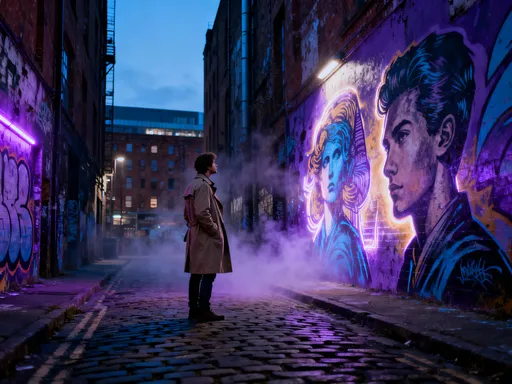
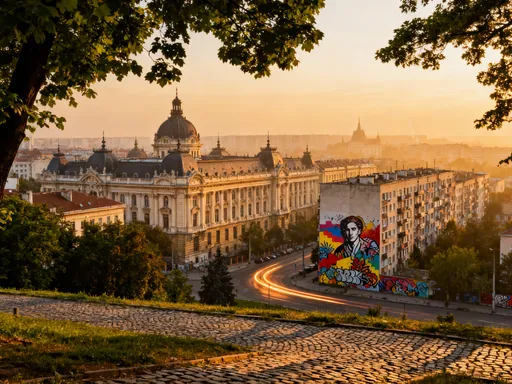
Melbourne’s laneways are where the city’s creative spirit pulses most vividly. Hosier Lane, perhaps the most famous, is a living gallery—walls constantly repainted, layered with messages, portraits, and abstract expressions. It’s not just a backdrop; it’s a dialogue between artists, a timeline of urban expression. AC/DC Lane, named after the legendary band, carries a raw, rebellious energy, with bold lettering and musical tributes woven into its visual fabric. These alleys, though narrow, offer expansive opportunities for photographers seeking color, texture, and narrative.
To photograph these spaces meaningfully, one must move beyond the snapshot. Consider composition: use the converging lines of the lane to create depth, or focus on a single detail—a chipped paint edge, a hidden symbol—amidst the visual noise. Shooting during overcast conditions helps prevent harsh contrasts, allowing the full spectrum of colors to appear balanced. Early mornings are ideal, as the light filters down evenly between buildings, illuminating the walls without casting deep shadows. This soft illumination reveals every brushstroke and spray pattern with clarity.
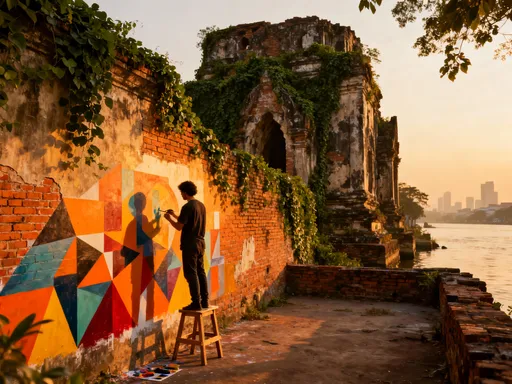
Capturing the process of creation adds another layer to the story. Some artists work openly, turning the laneways into open studios. With permission, photographing a muralist in action—focused, spray can in hand—adds human dimension to the art. These moments are fleeting, so readiness is key. A compact camera or fast lens allows for quick, unobtrusive shooting. Time-lapse techniques can also convey the transformation of a wall over hours, showing how art evolves in real time.
Equally important is ethical awareness. While the art is public, it’s the product of labor, passion, and often personal expression. Photographers should avoid stepping on wet paint, touching surfaces, or obstructing artists. Some murals carry cultural or political significance; capturing them requires sensitivity. Additionally, while social media sharing is natural, crediting artists when possible—by noting their tags or signatures—supports the creative community. The laneways are not just photo ops; they’re sacred spaces of expression, and respectful photography honors that.
Royal Botanic Gardens: Nature’s Quiet Perfection
Just minutes from the city center, the Royal Botanic Gardens offer a sanctuary of calm and natural beauty. Spanning over 38 hectares, this green haven is a masterclass in composition, offering photographers a balance of structure and spontaneity. From the still waters of Ornamental Lake to the towering bamboo grove, each section presents a distinct mood and visual language. Here, the pace slows, inviting mindfulness and attention to detail—qualities that translate into thoughtful, evocative imagery.
Ornamental Lake is a favorite for its mirror-like surface, which reflects the surrounding trees and skyline. Early mornings are especially magical, when mist hovers above the water and ducks glide silently across the surface. Using a polarizing filter can enhance reflections and reduce glare, while a tripod enables long exposures that smooth ripples into glassy stillness. Framing the city skyline in the lake’s reflection creates a powerful juxtaposition—nature and urbanity in quiet coexistence.
The bamboo grove offers a completely different atmosphere. Tall stalks rise like columns, filtering sunlight into dappled patterns on the path. Shooting from a low angle emphasizes their height, creating a sense of immersion. Black-and-white conversion works well here, emphasizing contrast and form. The rustling sound of leaves adds to the sensory experience, reminding photographers that great images often begin with presence—being fully in the moment.
Seasonal changes dramatically affect the gardens’ appearance. Spring brings bursts of color—pink blossoms, yellow wattle, purple jacarandas—ideal for vibrant, joyful compositions. Autumn, on the other hand, paints the landscape in warm golds and reds, particularly around the heritage-listed Guilfoyle’s Volcano. Macro photography thrives here: dewdrops on petals, insects on leaves, or the intricate veins of a fern can become the subject of an entire frame. Wide landscape shots, meanwhile, capture the grandeur of curated nature, showing how human design and natural growth can harmonize.
The Yarra River: A Reflective Path Through the City
The Yarra River is Melbourne’s liquid spine, winding through the city and offering endless photographic possibilities. Unlike fast-moving rivers, the Yarra flows gently, its surface often still—perfect for capturing reflections of skyscrapers, bridges, and sunset skies. Southbank Promenade is one of the most accessible vantage points, lined with cafes and walkways that frame the water beautifully. At twilight, the city lights begin to flicker on, doubling in the river’s surface and creating a symphony of color and light.
Sandridge Bridge, with its steel trusses and elevated walkway, provides a panoramic view of the river’s curve. From here, photographers can capture long stretches of water, with trams moving along the far bank and cyclists crossing in silhouette. The bridge’s industrial texture contrasts with the softness of the river, offering a dynamic interplay of form and fluidity. Alexandra Gardens, on the north bank, is quieter, ideal for intimate shots of swans, willow trees, and lone figures on benches.
Rain transforms the Yarra into something even more compelling. Wet nights turn the promenade into a gallery of reflections—neon signs, headlights, and streetlamps stretch into glowing streaks across puddles and ripples. This is prime time for long exposure photography. Using shutter speeds of several seconds, water becomes silky, lights blur into trails, and moving boats leave ethereal paths. A tripod and remote shutter release are essential for sharp results, especially in low light.
The river also serves as a timeline of the city’s development. Old warehouses converted into galleries, modern apartments rising beside heritage buildings—each stretch tells a story of change. Photographing these transitions, especially during golden hour, emphasizes continuity. The Yarra doesn’t divide the city; it connects it, and through the lens, that connection becomes visible, tangible, and deeply poetic.
Hidden Gems: Offbeat Spots with Visual Soul
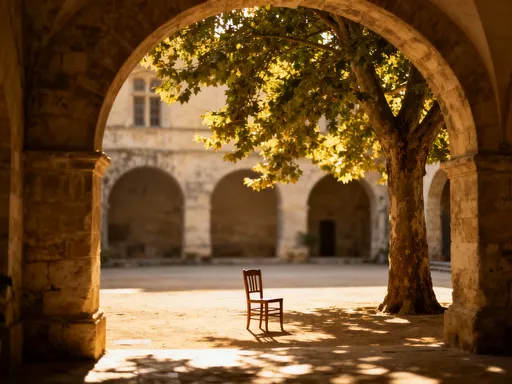
Beyond the well-trodden paths lie Melbourne’s quiet treasures—places that reward curiosity and patience. Montsalvat, a little-known artists’ colony in Eltham, feels like a piece of rural France transplanted into the suburbs. With stone buildings, cloisters, and stained-glass windows, it offers a completely different aesthetic from the city center. The play of light through arched windows, the texture of weathered walls, and the stillness of its courtyard make it a haven for contemplative photography.
Abbotsford Convent, once a religious retreat, now thrives as a cultural hub. Its brick buildings, peeling paint, and overgrown gardens exude character. Sunlight streams through broken skylights, illuminating dust motes and vintage furniture. The contrast between decay and renewal is palpable, offering rich metaphors for time and transformation. Events like farmers’ markets and art exhibitions bring life to the space, but quiet mornings reveal its soul—empty hallways, forgotten corners, and the soft rustle of leaves in the courtyard.
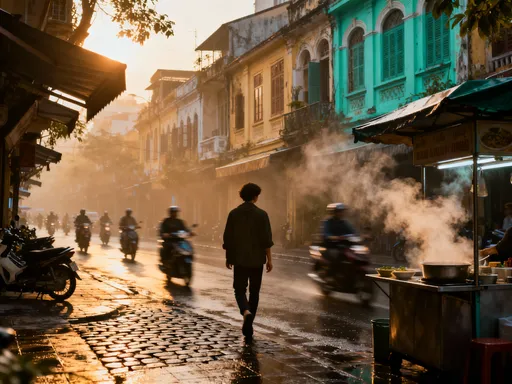
Degraves Street, though small, pulses with morning energy. Steam rises from espresso machines, commuters pause with takeaway cups, and booksellers arrange their stalls. It’s a microcosm of Melbourne’s café culture—intimate, authentic, and full of fleeting moments. Shooting here requires discretion and speed; the best images often happen in seconds. A wide-angle lens captures the street’s narrow charm, while a prime lens isolates details—a hand turning a page, milk swirling in a cup.
These offbeat locations teach an essential lesson: photography isn’t about chasing landmarks but about noticing. The most powerful images often come from unplanned encounters—a child feeding pigeons, an old couple sharing a bench, sunlight hitting a brick wall at just the right angle. In Melbourne, such moments are everywhere, waiting for those who walk slowly, look closely, and listen with their eyes.
Capturing Culture Without Crossing Lines
Melbourne’s cultural richness—from laneway festivals to open-air markets—offers endless photographic inspiration. Events like the Melbourne International Arts Festival or Queen Victoria Market buzz with color, sound, and movement. Street performers, food vendors, and families enjoying public spaces create a tapestry of urban life. Yet, photographing people in these settings requires care and respect.
Public space does not automatically mean unrestricted photography. While laws in Australia permit photographing people in public without consent, ethical practice goes beyond legality. A smile, a nod, or a simple “Is it okay if I take your photo?” can transform a moment of intrusion into one of connection. Many subjects, especially performers, appreciate being asked—they’re often proud of their craft and happy to be documented.
Some situations call for observation rather than interaction. In crowded markets, wide shots that capture atmosphere—steam rising from dumpling stalls, hands exchanging money, colorful produce arranged in pyramids—can tell the story without focusing on individuals. Candid shots are powerful, but they should never feel exploitative. The goal is to portray dignity, not curiosity.
Respect also means understanding boundaries. Religious ceremonies, private gatherings, or moments of grief should be approached with discretion—or avoided altogether. Photography is a privilege, not a right. When in doubt, step back, assess the context, and prioritize empathy. A respectful photographer doesn’t just take pictures; they build trust, contribute to community, and reflect the city’s spirit with integrity.
Framing More Than a Moment
Melbourne doesn’t give up its best shots easily. It asks for attention, patience, and a willingness to look beyond the obvious. Through the lens, the city teaches photographers to see deeply—to notice the way light bends around a corner, how a mural changes with the weather, or how a quiet park bench holds a lifetime of stories. It’s not about capturing everything, but about choosing what matters.
This city is a living canvas, constantly repainted by seasons, artists, and the rhythm of daily life. No two visits yield the same images. A laneway evolves overnight. A garden blooms differently each spring. The river reflects a new skyline every year. In this impermanence lies its magic—Melbourne is never static, never repetitive.
For the photographer, especially one who values authenticity and emotional resonance, Melbourne offers more than scenery. It offers a way of seeing. It invites curiosity without spectacle, depth without drama. It reminds us that the best shot is not the one we’ve taken, but the one we’re about to discover—around the next corner, in the next ray of light, in the quiet moment between movements. Pick up your camera, step outside, and let the city guide your eye. Your most meaningful photograph is still ahead.