Hidden Gems of Caracas: A Social Media Explorer’s Guide to Local Treasures
You know that thrill when you stumble upon something totally unique—something not everyone’s posting about? That’s exactly what happened in Caracas. Beyond the headlines, this city surprised me with its vibrant culture and one-of-a-kind finds. From handwoven crafts to bold street art souvenirs, Caracas offers unforgettable keepsakes that tell real stories. Let me take you through the authentic, colorful, and totally Instagram-worthy world of its local specialties. This is not the Caracas you’ve seen in fleeting news clips. This is a city pulsing with creativity, resilience, and a deep-rooted pride in craftsmanship. Here, every market stall, every mural, every hand-stitched bag carries a whisper of tradition and a shout of individuality. For travelers seeking more than surface-level snapshots, Caracas reveals its soul through the artistry of its people.
First Impressions: Stepping into Caracas
Arriving in Caracas is like stepping into a living canvas where contrasts coexist in unexpected harmony. The city unfolds along steep hillsides, with modern high-rises standing shoulder to shoulder with colonial-era buildings painted in faded ochres and sky blues. The air hums with energy—buses winding through narrow streets, vendors calling out their wares, and the distant rhythm of salsa music drifting from open windows. At first glance, the city might seem overwhelming, but within minutes, its warmth becomes evident. Smiles are exchanged freely, directions offered without hesitation, and curiosity meets curiosity.
What struck me most was not the skyline but the texture of daily life. In the central plazas, elderly men play dominoes under wide-brimmed hats while children chase pigeons across sun-warmed stones. In the markets, colors explode in every direction: hand-dyed fabrics, baskets overflowing with tropical fruits, and strings of beads catching the afternoon light. It was in these spaces—away from tourist brochures and guided tours—that I began to sense the heartbeat of Caracas. The true essence of the city isn’t found in monuments or museums alone, but in the hands of its artisans, the stories behind their crafts, and the quiet pride they take in their work.
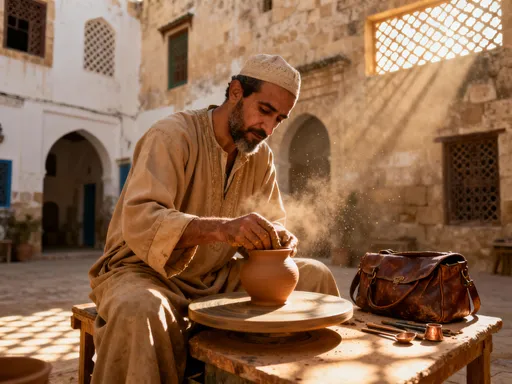
One afternoon, I wandered into a small neighborhood market in El Hatillo, a colonial town nestled in the eastern hills. The moment I stepped into the shaded courtyard, I was surrounded by the scent of freshly ground coffee and warm clay. A woman in a floral apron demonstrated how to shape traditional ceramic bowls, her fingers moving with practiced ease. Nearby, a young artist sold painted tiles depicting scenes of mountain villages and coastal towns. There was no pressure to buy—only an invitation to observe, to connect. That moment crystallized my journey: Caracas reveals its treasures not through grand gestures, but through intimate, human-scale encounters.
Why Local Crafts Matter in Caracas
In Venezuela, handmade crafts are more than decorative objects—they are vessels of cultural memory. Each piece carries the imprint of generations, reflecting indigenous traditions, Spanish influences, and African heritage that have shaped the nation’s identity. In Caracas, where economic challenges have tested resilience, local crafts have become both a lifeline and a form of quiet resistance. Artisans continue to weave, carve, and paint not just to survive, but to preserve a legacy that might otherwise fade.
Take the Wayuu people of northern Venezuela, whose intricate crochet techniques have been passed down through mothers and grandmothers for centuries. Their mochilas—colorful, handwoven bags—are not merely fashion statements but symbols of identity and storytelling. Each pattern holds meaning, representing elements of nature, ancestral myths, or personal milestones. When travelers purchase these items directly from artisans, they contribute to a sustainable cycle that honors tradition and empowers communities.
Supporting local crafts in Caracas is also an act of cultural preservation. As global markets favor mass production, handmade goods risk being replaced by cheaper imitations. By choosing authenticity, travelers help maintain demand for traditional skills. Moreover, buying locally fosters direct economic impact. Money spent at neighborhood markets stays within the community, supporting families, education, and small businesses. This isn’t charity—it’s conscious consumerism, where every purchase becomes a vote for heritage, dignity, and self-sufficiency.
For the mindful traveler, this connection transforms the souvenir from a trinket into a testament. A ceramic bowl isn’t just a kitchen item; it’s a piece of earth shaped by someone’s hands, fired in a kiln that has stood for decades. A beaded necklace isn’t just jewelry; it’s a fragment of a larger narrative about survival, beauty, and pride. In Caracas, crafts are not sidelines of tourism—they are central to the city’s soul.
The Heartbeat of the City: Exploring Popular Markets
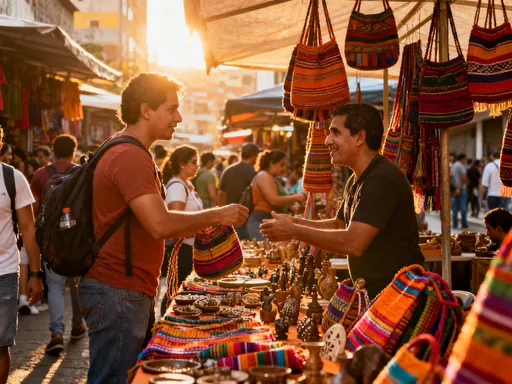
No exploration of Caracas’ artisan culture is complete without a visit to its vibrant markets. These are not polished shopping malls but lively, sensory-rich spaces where commerce meets community. Among the most authentic is the Feria de las Alasitas in the San Agustín neighborhood, a weekly gathering that blends commerce, culture, and celebration. Here, stalls stretch for blocks, offering everything from miniature clay figurines to hand-tooled leather belts and embroidered tablecloths.
The market comes alive early in the morning, when artisans arrive with their goods packed in woven sacks or balanced on wooden carts. By midday, the air is thick with the aroma of arepas grilling over open flames and the rhythmic beat of live music from a corner stage. It’s easy to get lost in the maze of stalls, but that’s part of the charm. Each turn reveals something new: a man carving wooden spoons with a pocket knife, a woman arranging glass beads into intricate necklaces, or a painter displaying small canvases of Caracas’ skyline at sunset.
One of the most iconic items found here is the Venezuelan hammock, woven from soft cotton in a rainbow of colors. Traditionally made in the Andean regions but widely sold in Caracas, these hammocks are prized for their comfort and craftsmanship. Watching a vendor demonstrate how to properly fold and hang one is a lesson in both utility and tradition. Another standout is the leatherwork—belts, wallets, and satchels crafted from high-quality cowhide, often tooled with geometric or floral designs. These pieces are durable, timeless, and deeply rooted in rural craftsmanship.
For visitors, navigating these markets requires a blend of curiosity and respect. The best time to visit is weekday mornings or early Saturdays, when crowds are manageable and vendors are most relaxed. Engaging with artisans goes a long way—asking about their process, complimenting their work, or simply sharing a smile can open doors to richer interactions. Bargaining is common but should be done gently, with awareness that prices are often already modest. Look for signs of authenticity: uneven stitching in woven goods (a sign of handwork), natural variations in clay or wood, and labels indicating the artisan’s name or community.
Art as Souvenir: When Street Culture Becomes a Keepsake
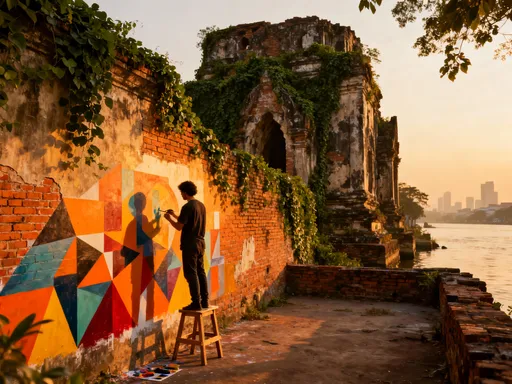
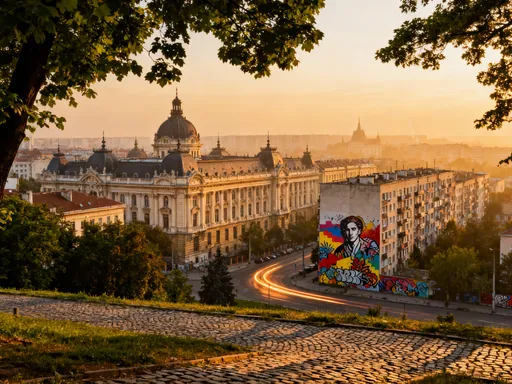
Caracas’ streets are an open gallery. Murals cover entire building facades, transforming concrete walls into vibrant narratives of history, hope, and resistance. Unlike graffiti seen in other cities, much of Caracas’ street art is legal, commissioned, or community-supported, reflecting a deep appreciation for public expression. For travelers, these artworks are not just photo opportunities—they are sources of portable art that carry the spirit of the city.
In neighborhoods like Catia and Petare, local artists have turned alleys into open-air museums. One mural might depict a child reaching for a dove, symbolizing peace; another might celebrate Simón Bolívar not as a military figure but as a teacher, surrounded by students. These images are powerful, often layered with meaning that unfolds over time. Some artists sell smaller versions of their work—on canvas, wood panels, or even recycled metal—making it possible to bring a piece of this visual storytelling home.
Painted tiles are another popular keepsake. Inspired by colonial architecture and Andalusian design, these ceramic squares are hand-painted with tropical birds, geometric patterns, or scenes from daily life. Sold in sets or individually, they can be framed, mounted on walls, or used as coasters. Each tile is unique, bearing the brushstroke of its creator. Some artists sign their work, adding a personal touch that elevates the item from decoration to heirloom.
Purchasing street art souvenirs supports a broader cultural movement. Many artists use their work to address social issues, celebrate indigenous heritage, or promote environmental awareness. By buying directly from them—often at outdoor exhibitions or pop-up galleries—travelers participate in a creative economy that values expression over profit. These pieces are not mass-produced; they are born from passion, skill, and a desire to be seen. To own one is to carry a fragment of Caracas’ soul, a reminder that art can thrive even in the most unexpected places.
From Clay to Cloth: Signature Handmade Products to Look For
For those seeking meaningful mementos, Caracas offers a rich array of handmade products that stand apart from generic souvenirs. Among the most cherished are mochilas, the handwoven bags crafted by the Wayuu and other indigenous groups. Made from cotton thread using a crochet technique, each bag can take weeks to complete. The patterns—often featuring diamonds, zigzags, and animal motifs—are symbolic, passed down through generations. These bags are lightweight, durable, and bursting with color, making them both functional and beautiful.
Another must-find item is the alfombra, or handmade rug, often woven from wool or recycled fabric. These rugs originate from rural communities in the Andes and are now sold in Caracas markets. Their designs vary—some feature bold geometric patterns, others depict agricultural scenes or religious symbols. Unlike machine-made rugs, each has slight imperfections that speak to its handmade nature. An alfombra is more than floor covering; it’s a piece of textile art that tells the story of its maker’s village, climate, and cultural influences.
Ceramic ware is equally distinctive. Potters in Caracas and surrounding regions create plates, bowls, and vases adorned with tropical motifs—parrots, palm trees, waves. The clay is often locally sourced, and glazing techniques vary by region, resulting in unique finishes. Some pieces are polished to a glossy shine, while others retain a rustic, earthy texture. These items are ideal for travelers who appreciate functional art—something beautiful enough to display, yet practical enough to use.
Leather goods, particularly from family-run workshops, are another highlight. Belts, wallets, and sandals are crafted from supple, high-quality leather, often dyed in rich browns, deep reds, or natural tones. The stitching is precise, the edges smoothed by hand. These products reflect a tradition of craftsmanship that values longevity over trendiness. When you buy a leather item in Caracas, you’re not just acquiring an accessory—you’re investing in a legacy of skill and care.
Shopping Smart: Practical Tips for Travelers
Navigating Caracas’ artisan markets can be rewarding, but it helps to approach with awareness and intention. First, carry cash in small denominations—many vendors do not accept cards, and change can be difficult to obtain. While prices are generally fair, bargaining is expected in most markets. Do so politely, starting with a smile and a compliment. A simple ‘¿Qué me puede hacer de precio?’ (What can you do for the price?) opens the conversation without pressure.
Look for authenticity by examining materials and construction. Handmade items often have slight irregularities—uneven stitches, natural color variations in dyes, or asymmetrical patterns. These are not flaws but signs of human touch. Avoid items that look too perfect or uniform, as they may be imported imitations. When in doubt, ask the vendor about the origin of the product. Artisans are usually proud to share their process and community background.
Packing fragile items requires planning. For ceramics or painted tiles, wrap them in clothing or bubble wrap and place them in the center of your suitcase, surrounded by soft layers. Consider purchasing a rigid box at a local shipping store if you’re buying larger pieces. Many markets now offer eco-friendly packaging made from recycled paper or cloth, aligning with sustainable travel values.
To travel responsibly, prioritize direct purchases from artisans rather than third-party shops. This ensures more income reaches the maker. Also, be mindful of weight and space—while it’s tempting to buy one of everything, thoughtful selection leads to more meaningful souvenirs. Finally, consider the cultural significance of what you’re buying. A Wayuu mochila, for example, is not just a bag but a cultural artifact. Treat it with respect, learn its story, and share it with others as a bridge to understanding.
Beyond the Purchase: How These Items Tell a Deeper Story
Every handmade item from Caracas carries more than aesthetic value—it carries history, resilience, and identity. A woven bag speaks of a grandmother teaching her granddaughter the rhythm of the hook. A painted tile echoes the colors of a childhood home. A leather belt represents hours of focused labor in a small workshop where tools have been passed down for decades. These objects are not static; they are alive with memory and meaning.
For travelers, owning such items transforms the way we remember a place. Instead of fading photos or vague impressions, we have tangible connections—objects that spark conversation, evoke emotion, and deepen understanding. When you use a Caracas-made bowl at home, you’re not just serving food; you’re honoring the hands that shaped it. When you hang a painted tile on your wall, you’re not just decorating; you’re preserving a moment of cultural expression.
These souvenirs also challenge the notion of travel as consumption. Instead of taking only pictures, we take responsibility—choosing to support communities, respect traditions, and carry stories with integrity. In a world of fast fashion and disposable goods, a handmade item from Caracas is a quiet rebellion. It says that beauty takes time, that culture matters, and that every purchase can be a gesture of solidarity.
Moreover, these items foster connection across borders. Sharing the story behind a mochila with a friend, explaining the symbolism of a mural tile, or gifting a handcrafted bowl to a loved one—we become storytellers. In doing so, we extend the reach of Caracas’ artistry far beyond its streets. We help ensure that these traditions are not only preserved but celebrated.
Conclusion: Caracas Through the Lens of Its Crafts
Caracas is a city that defies easy definition. It is complex, layered, and often misunderstood. But through the lens of its crafts, a clearer picture emerges—one of creativity, endurance, and profound humanity. The souvenirs found here are not mere objects; they are invitations to look deeper, to listen, and to connect. They remind us that the heart of travel lies not in ticking off landmarks, but in the moments of genuine exchange.
To future travelers, I offer this: slow down. Step into the markets, talk to the artisans, let the colors and textures speak to you. Seek out the hidden corners where tradition lives in thread, clay, and paint. Let your journey be guided not by algorithms or trending hashtags, but by curiosity and respect. In doing so, you won’t just take home souvenirs—you’ll carry back pieces of a story that continues to unfold.
Caracas reveals its treasures to those who look with more than their eyes. Its crafts are not just for display—they are for holding, using, and sharing. They are proof that even in challenging times, beauty persists. And they are a testament to the power of human hands to create, to heal, and to hope. Let your next journey be one of meaning. Let it be shaped by the artistry of Caracas.