You Gotta See These Hidden Cultural Gems in Tangier – Here’s How to Find Them
Tangier isn’t just a gateway between continents—it’s a living canvas of cultures colliding and coexisting. I wandered its alleys not as a tourist, but as a curious explorer, chasing stories behind ancient walls and local traditions. What I found were cultural spaces most travelers miss—places where history breathes and authenticity thrives. This isn’t about ticking landmarks off a list; it’s about diving deeper. Let me show you how to truly *feel* Tangier’s soul, one hidden courtyard, museum, and artisan workshop at a time.
Why Tangier Stands Out in North African Travel
Tangier occupies a rare position in the geography of culture and history. Nestled where the Mediterranean Sea meets the Atlantic Ocean, and just 14 kilometers from Europe across the Strait of Gibraltar, the city has long been a meeting point of civilizations. Its location made it a prized port for Phoenician traders over 2,500 years ago, followed by Romans, Vandals, Byzantines, Arabs, and later European colonial powers. Each wave left behind more than ruins—it embedded ways of life, languages, and aesthetics that still shape Tangier today.
Unlike many North African cities that follow a more uniform cultural rhythm, Tangier pulses with cosmopolitan energy. Walk through the medina, and you might hear Arabic spoken with Andalusian inflections, catch a French conversation in a café, or see a Berber artisan weaving patterns that predate written records in the region. The city’s unique identity was further shaped during the International Zone period (1923–1956), when Tangier was governed by multiple foreign powers. This era attracted writers, diplomats, and artists from around the world, adding a layer of intellectual openness that remains part of the city’s character.
What truly sets Tangier apart is how these influences blend seamlessly into daily life. A grandmother in the Kasbah might prepare a mint tea in a silver pot passed down through generations, while her granddaughter listens to French jazz on a smartphone. Street vendors sell msemen—a traditional Moroccan flatbread—next to cafés serving espresso in porcelain cups. This harmonious coexistence of old and new, local and foreign, is not staged for tourists; it’s lived. For the thoughtful traveler, this makes Tangier not just a destination, but a lesson in cultural resilience and adaptation.
Shifting from Sightseeing to Cultural Immersion
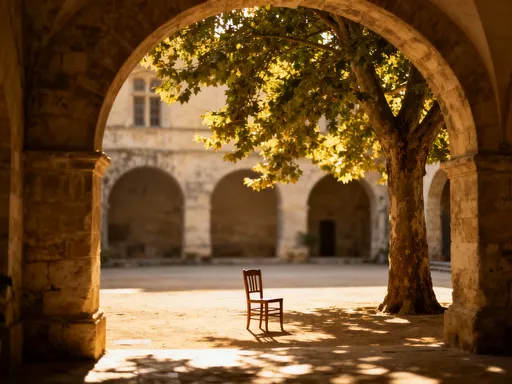
Most visitors come to Tangier with a checklist: the Caves of Hercules, the American Legation, the medina. These sites are worth seeing, but treating them as mere photo ops risks missing the deeper story. True cultural immersion begins when we shift from passive observation to active engagement. It means stepping off the main pathways, slowing down, and allowing space for unexpected moments—a shared laugh with a shopkeeper, an invitation to watch a craftsman at work, or the quiet awe of entering a centuries-old courtyard untouched by time.
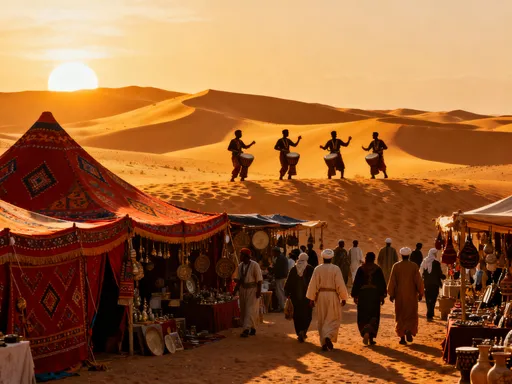
Unfortunately, many popular spots have become tourist traps, where authenticity is diluted by commercialization. In some areas, souvenirs are mass-produced overseas and sold as local handicrafts. Performances are staged for camera clicks rather than rooted in tradition. While these experiences aren’t inherently bad, they often lack the emotional depth that makes travel transformative. The alternative is not to reject tourism altogether, but to approach it with intention—choosing experiences that honor the community and reflect real cultural practices.
The key is mindset. Instead of asking, “What can I see today?” try asking, “What can I learn?” This subtle shift changes everything. It encourages patience, curiosity, and respect. It leads you to places where culture isn’t performed but lived—where the rhythm of daily life becomes the real attraction. Whether it’s watching an elderly woman roll dough for bread in a narrow alley or listening to a storyteller recite poetry in a quiet garden, these unscripted moments often become the most cherished memories.
Mastering the Art of Finding Authentic Cultural Spaces
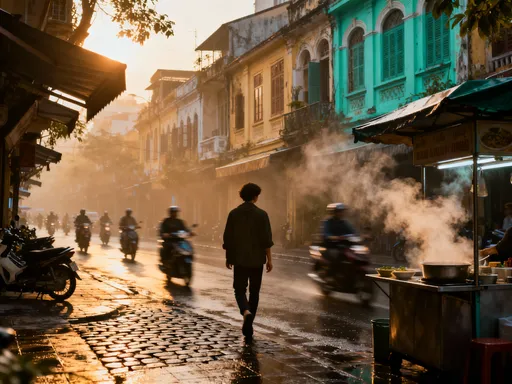
Discovering Tangier’s hidden cultural gems requires more than a map—it demands awareness. Locals navigate the city by rhythm and routine, and learning to read those patterns can guide you to authentic experiences. Start by observing foot traffic. While tourists often flock to wide, well-marked streets, residents move through narrower lanes, drawn by the smell of baking bread or the sound of hammering metal from a coppersmith’s workshop. Follow these subtle cues, and you’ll find spaces where life unfolds naturally.
Timing is equally important. To experience culture in motion, visit during local hours. Early mornings are ideal for witnessing daily rituals: bakers pulling fresh khobz from wood-fired ovens, fishermen returning with the day’s catch, or artisans opening their workshops. Midday, when heat and tourist crowds peak, many locals retreat indoors. Use this time to visit indoor spaces like small museums or shaded courtyards. Late afternoons bring a resurgence of activity—markets buzz again, and cultural cafés begin to fill with artists and thinkers.
Aligning your schedule with local rhythms also increases the chance of encountering living traditions. Friday mornings, for instance, may bring families visiting ancestral homes in the Kasbah. During Ramadan, the evenings come alive with communal meals and quiet reflection. Even everyday moments—like the call to prayer echoing over rooftops—can become part of your cultural journey if approached with respect. By observing, listening, and adapting, you begin to move through the city not as an outsider, but as a respectful guest.
Top Cultural Sites That Reveal Tangier’s True Spirit
While Tangier offers many well-known attractions, its soul lives in quieter, often overlooked places. The Kasbah Museum, housed in a 17th-century sultan’s palace within the old fortress walls, is one such gem. Beyond its collection of Berber jewelry, Andalusian ceramics, and historical manuscripts, the museum’s real treasure is its setting—a serene Andalusian garden with fountains, orange trees, and hand-painted zellige tiles. Few tourists linger here long enough to feel the stillness, but those who do often describe a sense of stepping into another era.
Nearby, Dar Sultan offers an even more intimate experience. This restored palace is not a formal museum but a cultural center managed by a local heritage group. Visitors are welcomed by guides who are often descendants of the original caretakers. They share stories passed down through generations—how courtyards were designed to capture breezes, how women used rooftop terraces for private gatherings, or how the building survived centuries of political change. The experience feels personal, almost familial, and leaves a lasting impression of continuity and care.
For a different kind of cultural insight, visit one of Tangier’s intellectual cafés. Places like Café Hafa or Librairie des Colonnes are not just coffee shops—they are gathering spots for poets, students, and retired professors. You might overhear discussions on literature, philosophy, or the preservation of Moroccan dialects. These spaces reflect Tangier’s long tradition as a haven for thinkers. While some cafés cater to tourists, others remain deeply local, especially those tucked into residential corners of the medina.
Equally revealing are the small art galleries that dot the city. Unlike large commercial galleries, these intimate spaces often showcase emerging Moroccan artists—painters, calligraphers, and textile designers who blend traditional motifs with contemporary expression. Many are run by artists themselves, offering a chance to talk directly about their work. Exhibits might explore themes like identity, migration, or the changing role of women in Moroccan society—topics that invite reflection and connection.
Navigating Etiquette and Access with Respect
Engaging with Tangier’s cultural spaces requires more than curiosity—it demands respect. In a city where tradition and modernity coexist, understanding local customs ensures your presence is welcome. Dress is one of the most visible signs of respect. When visiting religious sites, historic homes, or residential neighborhoods, modest clothing is appreciated: shoulders and knees covered, especially for women. This doesn’t mean abandoning personal style, but adapting it to the context. A light scarf or long skirt can be both practical and respectful.
Behavior matters just as much. In quieter spaces like family courtyards or artisan workshops, speak softly and avoid intrusive photography. If you wish to take a photo, ask first—often a simple gesture or a polite phrase in Arabic goes a long way. Many locals are happy to say yes, especially if you show genuine interest in their work or story. The key is to approach interactions as invitations, not entitlements.
Language, even in small doses, builds bridges. Learning a few basic Arabic phrases—like *salam alaikum* (peace be upon you), *shukran* (thank you), or *mumkin asoura sura?* (can I take a photo?)—signals effort and respect. You don’t need fluency; even imperfect attempts are often met with warmth and patience. In return, many locals will offer a smile, a story, or a small kindness—like offering tea or pointing you to a hidden garden.
Remember, some spaces are not open to the public, and that’s okay. A closed door doesn’t mean rejection—it may simply reflect privacy or ongoing family use. Respecting boundaries strengthens trust and preserves the authenticity of the places you do get to experience. Travelers who move with humility and care often find that doors open more freely over time.
Connecting with Locals to Deepen Your Experience
No guidebook can replicate the insights of a local resident. That’s why some of the most meaningful experiences in Tangier come through personal connections. Community-led walking tours, often organized by young heritage advocates or retired teachers, offer a different lens on the city. These guides don’t just point out landmarks—they share memories. They might stop at a crumbling wall and explain how it once held a fountain used by generations of families, or point to a balcony where a famous writer once sat and watched the sea.
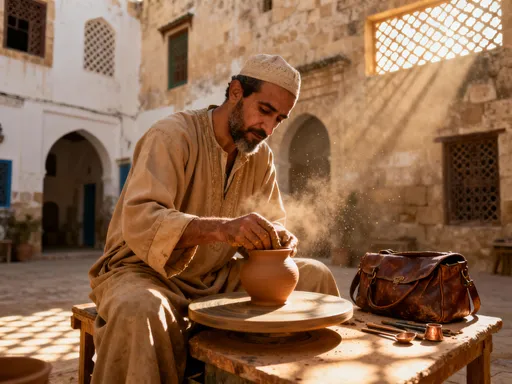
Workshops provide even deeper engagement. Pottery classes in the medina teach not just technique but the symbolism behind traditional patterns—how a spiral might represent life’s journey or a wave might echo the nearby ocean. Tea ceremonies, hosted in private homes or cultural centers, go beyond ritual; they’re lessons in hospitality, patience, and conversation. Music sessions, where local musicians play Andalusian or Gnawa melodies, invite participation through rhythm and listening, creating a shared emotional space.
These experiences are rarely advertised online. Instead, they’re found through word of mouth, local recommendations, or cultural centers that support grassroots initiatives. Some are hosted by NGOs focused on preserving intangible heritage; others are informal gatherings organized by artists or elders. Participating in them isn’t just enriching—it’s a form of support. Your presence helps sustain traditions that might otherwise fade in a rapidly changing world.
Building these connections takes time and openness. It means being willing to sit quietly, to listen more than you speak, and to accept invitations even if they lead you off your planned route. But the rewards are profound. A conversation over tea might reveal a family’s migration story. A shared meal might introduce you to a recipe unchanged for a century. These moments transform travel from sightseeing into relationship-building.
Putting It All Together: Designing a Meaningful Cultural Itinerary
Creating a fulfilling journey in Tangier doesn’t require a rigid schedule—it requires balance. Start with a sample day that blends structure with spontaneity. Begin at sunrise with a walk through the Kasbah, when the air is cool and the streets are quiet. Visit the Kasbah Museum early to avoid crowds and spend time in its garden. By mid-morning, join a local-led tour through the medina’s lesser-known alleys, ending at a family-run tea house for breakfast.
After a midday break, use the quieter hours to explore a small gallery or attend a craft workshop. In the late afternoon, head to a cultural café for coffee and conversation. As evening falls, wander through residential streets where families gather on doorsteps, or attend a community event if one is happening. The goal isn’t to pack in activities, but to allow space for presence—moments of stillness, observation, and connection.
While apps and maps can help with navigation, don’t rely on them too heavily. Overusing technology can disconnect you from the sensory experience of the city—the smell of spices, the sound of hammering metal, the sight of sunlight filtering through carved wooden shutters. Instead, use local resources: ask a shopkeeper for directions, accept a child’s offer to show you a shortcut, or let a stray cat lead you down an unexpected lane. These unplanned detours often become the most memorable parts of a trip.
Sustainable travel is also about impact. Choose experiences that support local preservation efforts—visit community-run museums, buy directly from artisans, and avoid exploitative tourism practices. Your choices matter. When you spend your time and money in ways that honor the culture, you contribute to its continuity. Tangier doesn’t need more visitors—it needs thoughtful ones.
The most meaningful itineraries are not those that cover the most ground, but those that allow depth. They leave room for repetition—returning to the same courtyard each day, watching how light changes, or greeting the same vendor with a smile. They prioritize quality over quantity, connection over consumption. And they recognize that the true value of travel lies not in what you collect, but in what you carry forward.
Tangier’s magic lies not in postcard views, but in its quiet courtyards, whispered histories, and living traditions. By shifting how we explore—slowing down, staying curious, and engaging with care—we transform from observers into participants. This is travel with depth, where every alley teaches something new. Go beyond the surface. Let the culture speak. And when you do, Tangier won’t just welcome you—it’ll remember you.