Youth on Repeat: How Smart Body Maintenance Turns Back Time
Aging is inevitable, but how we age is within our control. Science shows that consistent, intelligent body care can slow biological decline and support long-term vitality. Many people assume aging is defined by wrinkles or gray hair, but the real shifts happen beneath the surface—within cells, joints, and metabolic systems. I’ve tested daily habits—from movement to recovery—and seen real shifts in energy and resilience. This isn’t about chasing youth; it’s about upgrading how your body functions over time. Let’s explore what actually works, based on research and real-life application.
The Reality of Aging: What Really Changes in Your Body
Aging is not simply a cosmetic process. It is a complex biological journey that begins at the cellular level. One of the most significant changes is cellular senescence, a natural process where cells lose their ability to divide and function optimally. Over time, these aging cells accumulate and contribute to inflammation, tissue dysfunction, and reduced organ performance. Telomeres, the protective caps at the ends of chromosomes, shorten with each cell division, eventually leading to cellular death. This process, once thought to be fixed, has been shown to be influenced by lifestyle factors such as stress, diet, and physical activity.
Beyond the microscopic level, visible systems also undergo transformation. Collagen and elastin production decline, leading to thinner skin, reduced elasticity, and joint stiffness. Muscle mass begins to decrease at a rate of 3–8% per decade after age 30, a condition known as sarcopenia. This loss affects strength, balance, and metabolic rate. Similarly, bone density diminishes, increasing the risk of fractures. The mitochondria—often referred to as the powerhouses of the cell—become less efficient, reducing energy output and increasing oxidative stress, a key driver of aging.
Metabolism slows as we age, partly due to muscle loss and hormonal changes. This shift often results in weight gain, especially around the abdomen, even without changes in diet or activity. However, it is important to understand that aging is not uniform. Two people of the same chronological age can have vastly different biological ages based on their lifestyle choices. Genetics play a role, but research suggests that up to 75% of how we age is influenced by modifiable factors such as nutrition, exercise, sleep, and stress management. Recognizing these internal changes empowers individuals to take proactive steps rather than accept decline as inevitable.
Why Prevention Beats Repair: The Case for Early Body Maintenance
Waiting until pain or illness appears before taking action is a common but flawed approach to health. The body responds best to consistent, preventive care. Small, daily habits—such as staying active, eating nutrient-dense foods, and managing stress—have cumulative effects that protect against age-related decline. Studies, including those from the National Institute on Aging, show that individuals who adopt healthy routines in midlife experience slower cognitive decline, reduced risk of chronic disease, and greater physical independence in later years.
Consider joint health. Many people only begin to care for their joints after experiencing pain or stiffness. But by then, cartilage damage may already be significant. In contrast, those who prioritize joint support through movement, hydration, and anti-inflammatory nutrition from an earlier age often maintain better mobility and comfort. Similarly, bone density is best preserved through weight-bearing exercise and adequate calcium and vitamin D intake long before osteoporosis becomes a concern. The body adapts to consistent input, meaning that early investment in self-care builds resilience over time.
The principle of compounding benefits applies strongly to health. Just as small financial contributions grow into substantial savings over decades, minor health habits accumulate into significant advantages. For example, walking 30 minutes a day may seem modest, but over ten years, it contributes to improved cardiovascular function, better weight control, and enhanced mood. The key is consistency. Unlike crash diets or intense workout programs that are hard to sustain, preventive habits are designed to be manageable and long-lasting. They do not require perfection—just regular, mindful effort. By shifting the mindset from reactive to proactive, individuals gain greater control over their long-term well-being.
Fueling Longevity: Nutrition That Supports Cellular Health
Nutrition is one of the most powerful tools for influencing how the body ages. The foods we consume either support cellular repair or accelerate damage. Diets rich in antioxidants, fiber, healthy fats, and phytonutrients have been linked to reduced oxidative stress and lower levels of chronic inflammation—two key drivers of aging. Oxidative stress occurs when free radicals, unstable molecules produced during normal metabolism, overwhelm the body’s ability to neutralize them. This imbalance can damage DNA, proteins, and cell membranes. Antioxidants from food help counteract this process, protecting cells from premature aging.
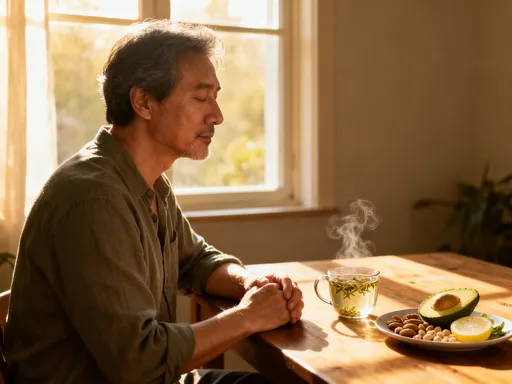
Specific nutrients play vital roles. Omega-3 fatty acids, found in fatty fish, flaxseeds, and walnuts, support brain health, reduce inflammation, and improve heart function. Polyphenols, abundant in berries, green tea, dark chocolate, and colorful vegetables, have been shown to activate longevity-related genes and support gut health. Vitamins such as C and E, along with minerals like selenium and zinc, contribute to skin integrity, immune function, and cellular repair. Including a wide variety of whole, minimally processed foods ensures a broad spectrum of these protective compounds.
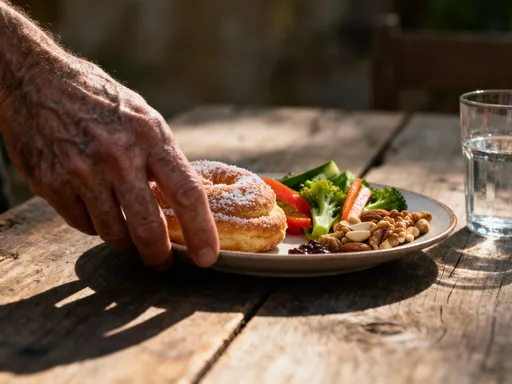
A practical approach to longevity-focused eating includes prioritizing plant-based foods, choosing high-quality proteins, and staying hydrated. Meals should feature a diversity of colors—green leafy vegetables, red peppers, purple cabbage, orange sweet potatoes—each offering unique phytonutrients. Whole grains, legumes, nuts, and seeds provide sustained energy and support metabolic health. It is also important to limit ultra-processed foods, added sugars, and excessive alcohol, all of which promote inflammation and accelerate aging.
Extreme diets, such as very low-calorie or highly restrictive regimens, are not sustainable and may do more harm than good. The goal is not perfection but balance and consistency. Intermittent fasting, for some, may support cellular cleanup through autophagy, but it should be approached cautiously and not adopted without medical guidance, especially for those with underlying health conditions. The most effective nutrition strategy is one that can be maintained for years, adapting to life’s changing demands while continuing to nourish the body at a cellular level.
Movement as Medicine: Daily Activity That Slows Aging
Physical activity is one of the most effective anti-aging interventions available. Unlike medications or supplements, movement influences nearly every system in the body. Regular exercise helps preserve muscle mass, maintain bone density, support cardiovascular health, and improve insulin sensitivity. It also enhances circulation, ensuring that oxygen and nutrients reach tissues efficiently. The benefits extend beyond the physical—exercise has been shown to support brain health, reduce anxiety, and improve sleep quality, all of which contribute to healthier aging.
A well-rounded routine includes four key components: strength training, flexibility work, aerobic exercise, and balance training. Strength training, such as lifting weights or using resistance bands, is essential for combating sarcopenia. It stimulates muscle growth, increases metabolism, and strengthens connective tissues. Flexibility exercises like stretching or yoga help maintain range of motion, reduce stiffness, and prevent injury. Aerobic activities—brisk walking, cycling, swimming—improve heart and lung function while supporting endurance. Balance training, such as tai chi or simple standing exercises, reduces the risk of falls, a major concern as we age.
Integrating movement into daily life does not require hours at the gym. Small changes make a difference. Taking the stairs, walking during phone calls, gardening, or doing bodyweight exercises at home all contribute to overall activity levels. The concept of Non-Exercise Activity Thermogenesis (NEAT) highlights the importance of everyday movement—fidgeting, standing, walking to the mailbox—that adds up over time. Research suggests that NEAT can account for a significant portion of daily calorie expenditure and plays a role in weight management and metabolic health.
The key is consistency, not intensity. A 20-minute walk five days a week is more beneficial than an intense two-hour workout once a month. The goal is to make movement a natural part of life, not a chore. Over time, regular activity builds resilience, improves posture, and enhances energy levels. It also supports joint health by lubricating cartilage and strengthening surrounding muscles. For those with physical limitations, chair-based exercises, water aerobics, or guided programs can provide safe and effective options. The message is clear: movement is not optional for long-term health—it is essential.
Rest and Recovery: The Underrated Pillar of Body Maintenance
While nutrition and exercise receive much attention, rest and recovery are equally critical for healthy aging. Sleep is the body’s primary time for repair and regeneration. During deep sleep, growth hormone is released, aiding in tissue repair and muscle recovery. The brain clears out metabolic waste, supporting cognitive function and reducing the risk of neurodegenerative diseases. Poor sleep, on the other hand, disrupts hormone balance, increases cortisol levels, and weakens immune function—all of which accelerate aging.
Chronic stress is another silent driver of biological decline. When the body remains in a constant state of alert, cortisol and adrenaline remain elevated. Over time, this leads to inflammation, weight gain, high blood pressure, and impaired digestion. The nervous system becomes overtaxed, making it harder to relax and recover. Mindfulness practices, such as meditation, deep breathing, or gentle yoga, help activate the parasympathetic nervous system—the “rest and digest” mode—counteracting the effects of chronic stress.
Quality sleep can be supported through simple habits known as sleep hygiene. These include maintaining a consistent sleep schedule, reducing screen time before bed, keeping the bedroom cool and dark, and avoiding caffeine and heavy meals in the evening. Creating a calming bedtime routine—such as reading, taking a warm bath, or practicing gratitude—signals to the body that it is time to wind down. For those struggling with sleep, cognitive behavioral therapy for insomnia (CBT-I) has been shown to be highly effective and is recommended over long-term use of sleep medications.
Recovery also includes rest days in physical training. Continuous exertion without adequate recovery leads to burnout, injury, and diminished results. Muscles grow and repair during rest, not during exercise. Allowing time for recovery ensures that physical activity remains sustainable and beneficial over the long term. Whether through naps, quiet time, or leisurely walks, intentional rest supports both physical and emotional well-being. Prioritizing recovery is not a sign of laziness—it is a sign of wisdom and self-respect.
Environmental Inputs: How Skincare and Toxin Awareness Matter
The body does not age in isolation—it interacts constantly with the environment. External factors such as UV radiation, air pollution, and chemical exposure can accelerate aging at the cellular level. The skin, as the body’s largest organ, is particularly vulnerable. UV exposure from the sun is the leading cause of premature skin aging, contributing to wrinkles, sunspots, and loss of elasticity. Daily use of broad-spectrum sunscreen with SPF 30 or higher is one of the most effective ways to protect skin and prevent photoaging, regardless of skin tone or weather conditions.
Air pollution, including particulate matter and ozone, generates free radicals that damage skin and contribute to systemic inflammation. While individuals cannot control outdoor air quality, they can reduce indoor exposure by using air purifiers, avoiding smoking, and ventilating homes properly. Choosing personal care and household products with minimal synthetic chemicals also reduces the body’s toxic load. Many conventional products contain endocrine-disrupting compounds such as parabens, phthalates, and synthetic fragrances, which may interfere with hormone function over time.
Gentle skincare routines support the skin’s natural barrier. Cleansing without stripping natural oils, moisturizing to maintain hydration, and using antioxidant-rich serums (such as vitamin C) can enhance skin health. However, skincare is not just about appearance—it reflects internal health. The skin’s condition often signals underlying imbalances, such as dehydration, nutrient deficiencies, or hormonal changes. A holistic approach that combines external care with internal support—through hydration, nutrition, and rest—yields the best results.
Simple changes can make a difference: switching to natural cleaning products, using glass or stainless steel containers instead of plastic, and reading ingredient labels on cosmetics. These choices reduce cumulative exposure to harmful substances and support long-term wellness. Awareness of environmental inputs empowers individuals to create a healthier living space, which in turn supports the body’s natural ability to maintain balance and resist aging.
Building a Sustainable Routine: Making It Stick Without Burnout
Knowledge is only useful if it leads to action. The most effective health strategies are those that can be maintained over time. Many people fail not because they lack information, but because they try to change too much too quickly. The key to lasting change is habit stacking—linking a new behavior to an existing one. For example, doing a few stretches after brushing teeth or drinking a glass of water before each meal. These small actions build momentum and make healthy habits feel natural.
Consistency matters more than intensity. A five-minute daily walk is better than an hour-long workout once a month. Progress tracking, whether through a journal, app, or calendar, helps maintain motivation by providing visible evidence of effort. Celebrating small wins reinforces positive behavior and builds confidence. It is also important to be flexible—life changes, and routines must adapt. Missing a day is not failure; it is part of the process. What matters is returning to the habit without self-criticism.
Motivation naturally fluctuates. During low periods, focusing on values—such as wanting to stay active for grandchildren or maintain independence—can provide deeper inspiration than short-term goals. Support systems, whether family, friends, or online communities, also play a role in sustaining commitment. For personalized guidance, consulting healthcare professionals such as doctors, registered dietitians, or physical therapists ensures that choices are safe and effective.
Healthy aging is not about rigid rules or achieving a certain look. It is about making thoughtful, science-backed choices that support long-term vitality. The goal is not perfection, but progress. By starting small, staying consistent, and prioritizing self-care, individuals can build a routine that supports their body for decades to come.
Aging Well Is a Daily Practice
Healthy aging is not a destination—it is a daily practice rooted in consistency, balance, and informed choices. The body responds to how it is treated over time, and small, intelligent actions compound into lasting benefits. From nourishing food and regular movement to quality sleep and mindful recovery, each element plays a role in slowing biological decline and enhancing resilience. The goal is not to stop time, but to make the most of it by supporting the body’s natural ability to function well.
This approach is not about chasing an idealized version of youth. It is about cultivating strength, energy, and well-being that allow for a full, active life at every stage. It is a quiet form of self-respect—one that honors the body as a lifelong companion. Science continues to reveal that how we age is largely within our control. By making smarter choices today, individuals can build a future of vitality, independence, and joy. Start where you are, use what you have, and take the next small step. The journey of healthy aging begins with a single, intentional choice.