Why My Lower Back Stopped Hurting – The Mind-Body Fix I Didn’t See Coming
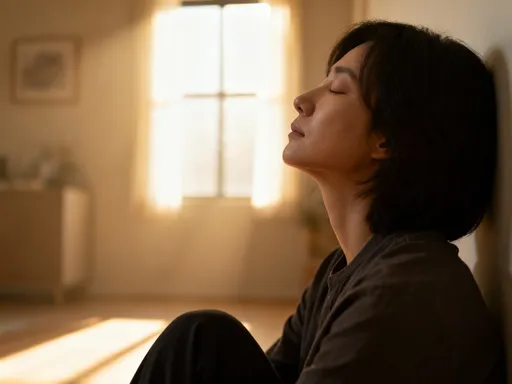
Lower back pain isn’t just physical—your mind plays a bigger role than you think. I struggled for years with stiffness and discomfort until I realized stress and tension were making it worse. After working with physical therapists and mindfulness coaches, I discovered simple mental techniques that eased my pain. This isn’t a cure, but a real, science-backed shift in how we handle strain. Let me walk you through what actually helped. What if the key to relief wasn’t another stretch or pill, but learning to quiet your thoughts? For countless women juggling family, work, and self-care, chronic lower back pain often feels like an inevitable burden. Yet growing evidence shows that emotional stress, mental fatigue, and unconscious tension can significantly worsen or even trigger physical symptoms—especially in the lower back. The good news? Addressing the mind-body connection offers a powerful, accessible path toward lasting comfort.
The Hidden Link Between Your Mind and Lower Back
Chronic lower back pain affects millions of adults worldwide, and while structural issues like disc degeneration or muscle strain are commonly cited, research increasingly points to another critical factor: the influence of the mind. The nervous system does not separate emotional stress from physical sensation. When under psychological pressure, the body responds with physiological changes—many of which directly impact spinal health. One of the most overlooked mechanisms is the tightening of deep core muscles, including the multifidus and transversus abdominis, which support the lumbar spine. These muscles can go into protective spasm not because of injury, but in response to perceived threat—including deadlines, family conflicts, or financial worries.
This mind-body feedback loop means that emotional tension can mimic or amplify physical pain. A study published in the journal *Pain* found that individuals with high levels of anxiety and depression were more likely to experience persistent lower back discomfort, even when no clear anatomical cause was present. The brain, in its effort to protect the body, may heighten pain signals when it senses danger—real or imagined. This process, known as central sensitization, explains why two people with identical MRI findings might have vastly different pain experiences. One may feel minimal discomfort, while the other suffers daily, limited in movement and mood.
Relatable scenarios illustrate this connection clearly. Consider a woman sitting at her desk, responding to urgent emails while mentally rehearsing a difficult conversation with her child’s teacher. Her shoulders rise, her jaw clenches, and without noticing, her lower back stiffens. Or imagine driving during rush hour, heart racing with impatience, gripping the steering wheel tightly—postural tension builds, centered around the pelvis and spine. These are not moments of physical overexertion, yet they prime the body for pain. The muscles around the lumbar region contract defensively, reducing blood flow and increasing sensitivity over time.
What makes this link so powerful—and hopeful—is that it shifts the narrative from helplessness to agency. If mental states can worsen pain, then learning to regulate them can offer meaningful relief. This does not mean the pain is “all in your head.” On the contrary, it is very real, but its intensity and duration are influenced by how the brain processes stress. Recognizing this allows women to expand their toolkit beyond pills and physical therapy, incorporating mental practices that address the root of tension. The lower back, in many ways, acts as a barometer for emotional load—a silent signal that the body is carrying more than it should.
Why Traditional Approaches Fall Short
For decades, the standard advice for lower back pain has centered on physical interventions: strengthen your core, improve your posture, invest in ergonomic furniture, and stay active. All of these recommendations have merit. Strengthening exercises like planks and bridges support spinal stability. Proper posture reduces uneven loading on discs and joints. Ergonomic chairs and standing desks help maintain alignment during long hours of sitting. Physical therapy remains a cornerstone of recovery for many. Yet despite widespread adoption of these strategies, chronic back pain rates remain high—especially among middle-aged women managing complex household and professional responsibilities.
The missing piece? Emotional and mental regulation. While physical habits are essential, they often fail to address the internal environment that perpetuates pain. A 2020 review in *JAMA Internal Medicine* analyzed over 20 clinical trials and concluded that psychological interventions—including cognitive-behavioral therapy (CBT), mindfulness, and stress reduction techniques—led to significant improvements in chronic back pain outcomes. Participants reported reduced pain intensity, improved function, and greater quality of life, even when structural abnormalities persisted. This suggests that changing how the brain interprets pain can alter the experience of it.
Traditional approaches often operate under the assumption that pain equals damage. As a result, people may avoid movement out of fear, leading to muscle deconditioning and increased stiffness. This fear-avoidance cycle only reinforces pain. In contrast, mind-body strategies teach the nervous system that movement is safe, reducing hypervigilance and muscle guarding. For example, someone who tenses up every time they bend down—anticipating pain—can learn through mindfulness and cognitive reframing that gentle motion is not a threat. Over time, this reduces the body’s defensive response.
Moreover, the focus on mechanics alone overlooks the role of daily stress. Women in their 30s to 50s often face a unique constellation of pressures: caring for children, supporting aging parents, managing careers, and maintaining relationships. These demands elevate cortisol levels, which in turn increase inflammation and muscle tension. Without addressing this underlying stress, even the best-designed exercise program may provide only temporary relief. The spine is not an isolated structure—it is embedded in a living system shaped by thoughts, emotions, and lifestyle rhythms. Protecting it requires more than correct lifting technique; it requires cultivating a calmer, more resilient mind.
Awareness as the First Step: Recognizing Mental Triggers
The journey toward lasting back relief begins with awareness. Before any technique can work, you must first learn to notice the early signs of tension. This is where body scanning—a foundational mindfulness practice—becomes invaluable. Body scanning involves systematically bringing attention to different parts of the body, without judgment, to detect areas of tightness, warmth, or discomfort. When applied to lower back care, it helps identify when and how mental stress translates into physical holding patterns. Many women report being unaware of their back tension until it becomes painful. By then, the muscles have been contracted for hours, even days, reducing circulation and increasing sensitivity.
Practicing body scans for just five minutes a day can transform your relationship with pain. Begin by lying comfortably or sitting upright, closing your eyes, and breathing slowly. Bring your attention to your feet, then gradually move upward—calves, knees, thighs, hips, and finally the lower back. Notice any sensations: heaviness, tingling, warmth, or tightness. Do not try to change anything; simply observe. Over time, you may start to recognize that your lower back tightens not during physical activity, but during emotionally charged moments—like receiving a stressful text or hearing a child cry in distress. This awareness breaks the automatic connection between stress and tension.
To deepen insight, consider keeping a simple journal. Use prompts like: When did my back feel stiff today?, What was I thinking or feeling at that moment?, or Was I holding my breath or clenching my jaw? You might discover patterns—such as increased discomfort on school mornings or after phone calls with a relative. One woman found that her back ached every Tuesday, which coincided with her weekly budget meeting. Once she recognized the link, she began practicing deep breathing beforehand, reducing both her anxiety and her physical symptoms.
The power of awareness lies in its ability to interrupt habitual reactions. When you notice tension early, you can respond before it escalates. This small act of noticing is itself healing. It signals to the brain that you are present and in control, reducing the perceived threat level. Over time, this lowers the nervous system’s baseline arousal, making the body less reactive to everyday stressors. Awareness does not eliminate challenges, but it creates space between stimulus and response—allowing you to choose how you react, both mentally and physically.
Breathing Techniques That Actually Calm Your Spine
Of all the mind-body tools available, diaphragmatic breathing is one of the most effective for relieving lower back tension. Also known as belly breathing, this technique activates the parasympathetic nervous system—the body’s natural relaxation response. When you breathe deeply into the abdomen, the diaphragm moves downward, massaging internal organs and stimulating the vagus nerve, which helps reduce heart rate and muscle tension. This has a direct effect on the muscles surrounding the lumbar spine, which often remain in a state of low-grade contraction due to chronic stress.
Here’s a simple 4-step method to practice diaphragmatic breathing: First, find a comfortable position—sitting or lying down. Place one hand on your chest and the other on your belly. Inhale slowly through your nose, allowing your belly to rise while keeping your chest still. Second, expand your abdomen fully, imagining your breath filling the lower part of your torso. Third, exhale slowly through pursed lips, gently drawing your belly inward. Fourth, pause for a moment before the next breath, allowing your body to reset. Aim for a 4-6-4 rhythm: four seconds in, six seconds out, four seconds rest. Repeat for 3–5 minutes.
Why does this help the spine? Deep breathing increases oxygen delivery to muscles, reducing the buildup of metabolic waste that contributes to soreness. It also decreases the activity of the sympathetic nervous system, which drives the “fight-or-flight” response. When this system is overactive, muscles like the erector spinae and quadratus lumborum remain tense, compressing the lumbar vertebrae. By calming the nervous system, diaphragmatic breathing reduces this protective guarding, allowing the back to relax. Studies have shown that regular breathing practice can lower pain perception and improve functional mobility in people with chronic low back pain.
Integrating this practice into daily routines enhances its impact. Try breathing exercises before checking emails in the morning, during your commute, or while waiting for dinner to cook. One woman began practicing while folding laundry, turning a mundane chore into a moment of calm. Another used it during her child’s homework time, reducing her own tension while modeling mindful behavior. The key is consistency, not duration. Even two minutes of intentional breathing can reset your nervous system and prevent tension from accumulating throughout the day.
Reframing Pain: How Thoughts Shape Physical Sensation
The way we think about pain profoundly influences how we feel it. Cognitive distortions—unhelpful thought patterns—can amplify discomfort and delay recovery. One of the most common is catastrophizing: the tendency to assume the worst. Phrases like This pain will never go away, I’m going to end up disabled, or I can’t do anything without hurting myself increase anxiety, which in turn heightens pain signals. Research from the University of Washington shows that individuals who catastrophize report higher pain intensity and are more likely to develop chronic conditions. The brain interprets these thoughts as danger cues, triggering a cascade of stress hormones and muscle tension.
Reframing offers a way to break this cycle. Instead of viewing pain as a threat, you can learn to see it as feedback—a signal that something needs attention, not fear. For example, shifting from I can’t move without pain to I’m learning to move safely and with awareness changes the emotional tone of the experience. This is not positive thinking for its own sake; it is evidence-based cognitive restructuring used in therapies like CBT. It helps the brain reinterpret sensations, reducing the alarm response.
Positive affirmations, when grounded in reality, can support this shift. Choose statements that feel authentic: My body is strong and capable, I am listening to my body with kindness, or Each day, I grow more confident in my movement. Repeat them during breathing exercises or while stretching. One woman who feared bending over began saying, I am safe as I move, each time she reached for something on the floor. Over weeks, her fear diminished, and so did her pain. The act of speaking kindly to oneself signals safety to the nervous system, reducing defensive muscle activation.
Another helpful strategy is to separate sensation from story. Pain is a physical sensation; the story we tell about it is mental. You might feel tightness in your lower back (sensation), but the thought This means I’m getting worse (story) adds emotional weight. By noticing this distinction, you can respond more skillfully. Ask yourself: Is this sensation dangerous, or is it just uncomfortable? Most chronic back pain is not harmful, even if it feels intense. Learning this difference reduces fear and allows for greater movement, which supports healing.
Daily Mental Habits for Long-Term Spinal Support
Sustainable back health depends on consistent, small practices—not dramatic overhauls. Just as brushing your teeth prevents cavities, daily mental habits protect your spine from the cumulative effects of stress. One effective approach is the 2-minute mindfulness break: pause briefly several times a day to check in with your body and breath. Set a reminder on your phone or link it to routine activities—after hanging up the phone, before starting the car, or while waiting for the kettle to boil. Use this time to scan your body, release tension in your jaw and shoulders, and take three deep belly breaths. These micro-moments add up, training your nervous system to stay regulated.
Visualization is another powerful tool. Spend a few minutes imagining your spine as fluid and strong—like a flexible ribbon or a stream of light moving from your pelvis to your neck. Picture each vertebra gliding smoothly, supported by relaxed muscles. This mental rehearsal primes the brain for ease of movement, reducing anticipatory tension. Athletes use visualization to enhance performance; you can use it to enhance comfort. One study found that guided imagery reduced pain and improved function in chronic back patients, likely by calming neural pathways associated with pain.
Pairing mental exercises with physical routines enhances their effectiveness. For example, while doing gentle stretches, focus your attention fully on the sensation of release. This mindful movement strengthens the brain-body connection, making your body more responsive to relaxation cues. Similarly, practice diaphragmatic breathing while lying on a heating pad or during a warm bath. The combination of physical warmth and mental calm deepens the relaxation response.
Habit stacking—attaching a new behavior to an existing one—makes integration easier. After your morning coffee, spend two minutes breathing mindfully. While folding laundry, practice body scanning. Before bed, reflect on one moment when you moved without fear. These small acts build resilience over time. The goal is not perfection, but presence. Women who adopt these habits often report not only less back pain, but also greater emotional balance, improved sleep, and increased energy—benefits that ripple through every area of life.
Putting It All Together: A Sustainable Approach to Back Care
True spinal health is not achieved through isolated fixes, but through an integrated approach that honors both body and mind. Physical strategies—exercise, posture, and ergonomic support—remain essential. But they are most effective when combined with mental practices that reduce stress, increase awareness, and reframe pain. The woman who once feared bending over can learn to do so with confidence. The mother who dreaded long car rides can discover relief through breath and mindfulness. Healing is not about eliminating all discomfort, but about changing your relationship with it.
Protection of the spine is not just about lifting correctly or sitting upright. It is about living in a way that minimizes unnecessary tension. This means recognizing when your mind is carrying the weight your back has been holding. It means pausing before reacting, breathing before moving, and listening before judging. These skills take practice, but they are within reach for anyone willing to begin.
If pain persists, do not hesitate to seek professional guidance. Physical therapists, pain specialists, and mental health counselors can provide tailored support. Some clinics now offer integrated programs that combine movement therapy with mindfulness training—reflecting a growing recognition of the mind-body connection in pain care. You do not have to choose between physical and mental approaches; the most effective path includes both.
Finally, allow yourself hope. Small mental shifts—learning to breathe, to notice, to reframe—can create lasting physical relief. Your back has been trying to tell you something. Now, you are learning to listen. And in that listening, healing begins. Spinal health is not just a physical goal; it is a full-body, full-mind commitment to living with greater ease, strength, and peace.