Time Flies, But Your Energy Doesn’t Have To
You know that moment when you catch your reflection and think, Wait, is that really me? Aging isn’t just about lines on your face—it’s how you feel daily. Are you tired by 3 p.m.? Is recovery slower? That’s not just “getting older.” It’s a sign your body’s health standards need upgrading. I’ve been there, and small, science-backed shifts changed everything. Let me walk you through what actually works.
The Real Signs of Aging (Beyond Wrinkles)
Most people associate aging with visible changes—graying hair, fine lines, or a slower pace on the stairs. But the true markers of aging begin far beneath the surface, long before they appear in the mirror. Fatigue that lingers even after a full night’s sleep, stiffness in the joints upon waking, longer recovery times after minor injuries, and a persistent mental fog are not just inconveniences. They are early warnings that your body’s internal environment is shifting. These symptoms reflect deeper biological processes such as chronic inflammation, oxidative stress, and declining mitochondrial function—key drivers of cellular aging.
Understanding the difference between chronological age and biological age is essential. Chronological age is simply the number of years you’ve lived. Biological age, however, reflects how well your cells, organs, and systems are functioning. Two people of the same chronological age can have vastly different biological ages based on lifestyle, environment, and genetics. Research has shown that individuals with lower biological ages tend to have better health outcomes, reduced disease risk, and higher energy levels. This means that while you cannot change the passage of time, you can influence how your body responds to it.
The body sends signals long before major health issues arise. For example, persistent low-grade inflammation—often called “inflammaging”—is linked to conditions like heart disease, type 2 diabetes, and cognitive decline. Oxidative stress, caused by an imbalance between free radicals and antioxidants, damages DNA and accelerates cellular aging. Meanwhile, mitochondria, the energy powerhouses within cells, become less efficient over time, leading to fatigue and reduced stamina. Recognizing these internal shifts allows for earlier intervention. By tuning into how you feel—not just how you look—you gain the power to act before decline becomes irreversible.
Why Health Standards Matter More Than Ever
In today’s fast-paced world, many women in their 30s, 40s, and 50s find themselves juggling work, family, and personal responsibilities with little time left for self-care. As a result, health is often measured by superficial benchmarks: weight, clothing size, or occasional blood pressure checks. But these metrics only tell part of the story. True health goes beyond the scale. It’s about how you feel when you wake up, how quickly you bounce back from a busy week, and whether you can keep up with daily life without exhaustion.
Modern lifestyles often accelerate aging. Diets high in processed foods, prolonged sitting, disrupted sleep, and constant mental demands place a heavy burden on the body. Chronic stress, in particular, wears down systems over time, increasing cortisol levels and weakening immune function. Yet, despite these challenges, many women still equate health with appearance rather than performance. Shifting the focus from how you look to how you function is a game-changer. Energy levels, mental clarity, joint mobility, and emotional resilience are far more accurate indicators of long-term well-being.
When you begin to measure health by functional standards, you gain agency. You realize that feeling strong, alert, and capable at 50 or 60 is not a luxury—it’s achievable. This shift in mindset moves you from passive acceptance of aging to active participation in it. Instead of waiting for a diagnosis to make changes, you can take preventive steps now. The goal isn’t to reverse time or achieve perfection. It’s to build a body that supports the life you want to live—one filled with energy, engagement, and vitality.
Fueling Your Cells: The Anti-Aging Plate
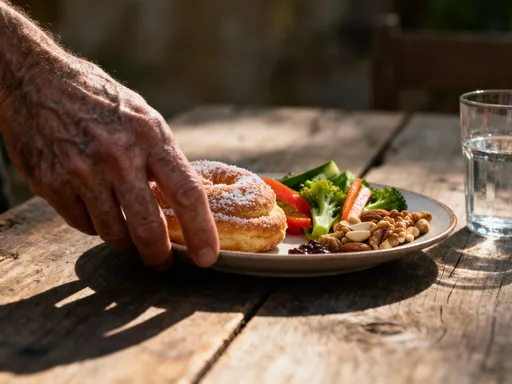
Nutrition is one of the most powerful tools for slowing biological aging. What you eat directly influences inflammation, oxidative stress, and cellular repair. Diets high in refined sugars, trans fats, and processed ingredients promote inflammation and damage cells over time. In contrast, a diet rich in whole, nutrient-dense foods provides the building blocks your body needs to stay strong and resilient. The anti-aging plate isn’t about strict rules or deprivation—it’s about consistent, sustainable choices that support long-term health.
Focus on incorporating a variety of colorful vegetables and fruits. These foods are rich in antioxidants such as vitamins C and E, beta-carotene, and polyphenols, which neutralize free radicals and protect DNA from damage. Berries, in particular, have been studied for their ability to support brain health and reduce oxidative stress. Leafy greens like spinach and kale provide essential nutrients including folate, magnesium, and vitamin K, which support bone and cardiovascular health. Fatty fish such as salmon and sardines are excellent sources of omega-3 fatty acids, known for their anti-inflammatory properties and benefits for heart and brain function.
Include high-quality proteins in every meal. Proteins are critical for maintaining muscle mass, which naturally declines with age. Lean meats, eggs, legumes, and Greek yogurt offer complete amino acids that support tissue repair and immune function. Healthy fats from sources like avocados, nuts, seeds, and olive oil help regulate hormones, support brain health, and keep you feeling full longer. At the same time, minimize added sugars and refined carbohydrates, which spike blood sugar and contribute to insulin resistance—a key factor in accelerated aging.
Meal timing also plays a role. Eating at consistent times each day helps regulate metabolism and supports circadian rhythms. Some women find benefit in time-restricted eating, such as finishing dinner by 7 p.m. and delaying breakfast until 7 a.m., allowing for a 12-hour fasting window. This practice may improve metabolic health and cellular repair processes like autophagy—the body’s way of cleaning out damaged cells. However, extreme diets or severe calorie restriction are not recommended, especially for women over 40, as they can disrupt hormone balance and lead to fatigue. The goal is balance, variety, and consistency—not perfection.
Move It or Lose It: The Role of Movement
Physical activity is one of the most effective anti-aging interventions available—and it doesn’t require a gym membership or hours of intense training. The reality is that sedentary behavior is one of the fastest ways to accelerate aging. When you sit for long periods, your muscles weaken, circulation slows, and metabolism drops. Over time, this leads to loss of muscle mass, reduced bone density, and increased risk of chronic disease. But the good news is that even small amounts of daily movement can make a significant difference.
Brisk walking for 30 minutes a day has been shown to improve cardiovascular health, boost mood, and enhance cognitive function. It’s accessible, low-impact, and can easily be incorporated into daily routines—whether it’s a morning walk with a podcast, a lunchtime stroll, or an evening walk after dinner. Stretching and mobility exercises help maintain joint flexibility and reduce stiffness, especially important as connective tissues lose elasticity with age. Simple practices like yoga or tai chi improve balance, coordination, and body awareness, reducing the risk of falls and injuries.
Strength training is equally important. After age 30, adults lose about 3–5% of muscle mass per decade, a condition known as sarcopenia. This loss contributes to weakness, slower metabolism, and decreased independence. Engaging in resistance exercises just two times per week can slow or even reverse this decline. Bodyweight exercises like squats, lunges, and push-ups, or using light dumbbells or resistance bands, are effective and safe for most women. The goal isn’t to build bulky muscles but to preserve functional strength—so you can carry groceries, play with grandchildren, or climb stairs without strain.
Even short bursts of movement count. Taking the stairs, gardening, dancing while cooking, or doing a few stretches during commercial breaks all add up. These activities improve circulation, deliver oxygen to cells, and stimulate mitochondrial function. Movement also supports mental health by reducing anxiety and boosting endorphins. The key is consistency. You don’t need to train like an athlete. You simply need to move your body every day in ways that feel good and sustainable. That’s how you stay strong, independent, and energized for years to come.
Sleep: Your Nightly Reset Button
If you’re not sleeping well, no amount of healthy eating or exercise can fully compensate. Sleep is when your body performs essential maintenance—repairing tissues, clearing metabolic waste from the brain, balancing hormones, and strengthening the immune system. Chronic poor sleep doesn’t just leave you tired; it accelerates aging at the cellular level. Studies show that adults who consistently sleep less than six hours per night have higher levels of inflammation, increased insulin resistance, and shorter telomeres—the protective caps on chromosomes that shorten with age.
As women enter perimenopause and menopause, sleep disturbances become more common due to hormonal shifts. Hot flashes, night sweats, and changes in melatonin production can disrupt sleep cycles. However, there are effective, non-pharmaceutical strategies to improve sleep quality. Establishing a consistent sleep schedule—even on weekends—helps regulate your body’s internal clock. Going to bed and waking up at the same time every day strengthens circadian rhythms, making it easier to fall asleep and wake up naturally.
Your evening routine matters. Dimming the lights in the evening signals to your brain that it’s time to wind down. Avoiding screens at least one hour before bed reduces exposure to blue light, which suppresses melatonin production. Instead, try reading a book, listening to calming music, or practicing gentle stretching. Keeping the bedroom cool, quiet, and free from distractions creates an environment conducive to rest. If nighttime awakenings occur, avoid checking the time or reaching for your phone. Instead, focus on slow, deep breathing to calm the nervous system.
Think of sleep as non-negotiable maintenance for your body and mind. It’s not a luxury or something to sacrifice for productivity. Prioritizing sleep means investing in long-term health. When you get quality rest, your energy improves, your mood stabilizes, and your body’s repair systems function optimally. You truly cannot out-eat or out-exercise chronic sleep deprivation. Making sleep a cornerstone of your health routine is one of the most powerful anti-aging steps you can take.
Stress, Cortisol, and the Aging Connection
Stress is an unavoidable part of life, but how you respond to it determines its impact on your body. Chronic stress keeps cortisol—the primary stress hormone—elevated for prolonged periods. While cortisol is essential for short-term survival responses, long-term exposure damages cells, suppresses immune function, and contributes to fat accumulation, particularly around the abdomen. High cortisol levels are also linked to memory decline, as they can shrink the hippocampus, the brain region responsible for learning and emotional regulation.
For many women, stress comes from multiple directions—work deadlines, family responsibilities, financial concerns, or caregiving for aging parents. When stress becomes constant, the body remains in a state of “fight or flight,” which over time depletes energy reserves and increases wear and tear on organs. This constant activation accelerates biological aging and reduces resilience. The good news is that you can change your physiological response to stress through simple, evidence-based practices.
Mindfulness and deep breathing are powerful tools for calming the nervous system. Just five to ten minutes of focused breathing—inhaling slowly through the nose, holding briefly, and exhaling fully—can lower cortisol levels and shift the body into “rest and digest” mode. Meditation, even in short daily sessions, has been shown to improve emotional regulation and reduce anxiety. Spending time in nature, known as “forest bathing,” also lowers stress hormones and enhances mood. Even walking barefoot on grass or listening to birdsong can have a grounding effect.
Building emotional resilience is as important as physical care. When you cultivate moments of stillness, gratitude, or connection, you create balance. Journaling, talking with a trusted friend, or engaging in creative activities can help process emotions and reduce mental clutter. The goal isn’t to eliminate stress entirely—that’s impossible—but to develop healthier coping mechanisms. When you learn to respond rather than react, you protect your body from the corrosive effects of chronic stress. And in doing so, you slow the pace of cellular aging.
Tracking Progress: What to Measure Beyond the Scale
For years, many women have measured health success by the number on the scale. But weight is a poor indicator of true well-being. Muscle weighs more than fat, and two people with the same weight can have vastly different body compositions and energy levels. Relying solely on the scale can lead to frustration and demotivation, especially when lifestyle improvements aren’t immediately reflected in pounds lost. A more meaningful approach is to track how you feel and function in daily life.
Start by paying attention to energy levels. Do you wake up feeling rested? Can you complete your daily tasks without crashing in the afternoon? Do you have the stamina to play with your children or grandchildren without getting winded? These are far more relevant markers of health than a number on a scale. Mood is another important indicator. Are you feeling more balanced, less irritable, more engaged in life? Improved mental clarity, better focus, and reduced brain fog are signs that your brain and body are responding positively to your efforts.
Physical performance matters too. Can you walk longer distances, climb stairs more easily, or carry heavy bags without discomfort? These functional gains reflect real progress. In addition to subjective measures, consider tracking objective health markers through regular check-ups. Blood tests can reveal important insights, such as fasting blood sugar levels, hemoglobin A1c (a marker of long-term blood sugar control), C-reactive protein (CRP) for inflammation, and vitamin D levels, which are linked to immune function and bone health. Monitoring these markers over time helps you catch imbalances early and adjust your habits accordingly.
The best anti-aging strategy is to stay proactive. Regular self-check-ins—whether through a journal, a health app, or conversations with your doctor—keep you informed and empowered. Celebrate small wins: better sleep, improved digestion, reduced joint pain. These are the real signs of progress. When you shift from chasing quick fixes to building sustainable habits, you create lasting change. And that change compounds over time, leading to a future filled with strength, energy, and independence.
Aging Well Is a Practice, Not a Race
You won’t stop time—but you can shape how it affects you. True anti-aging isn’t about chasing youth or erasing every wrinkle. It’s about building a body and mind that can thrive through the decades. By upgrading your health standards—what you eat, how you move, how you sleep, and how you manage stress—you invest in long-term vitality. These are not temporary fixes or extreme measures. They are lifelong practices that, when done consistently, create profound results.
Start where you are. You don’t need to overhaul your life overnight. Pick one area—maybe improving your sleep, adding a daily walk, or eating more vegetables—and focus on that. Small steps, taken regularly, lead to real change. Over time, these habits build upon each other, creating a foundation of resilience and energy. The goal is not perfection but progress. Be kind to yourself. Aging is a natural process, but how you age is within your control.
When you prioritize your health, you’re not just adding years to your life—you’re adding life to your years. You’re choosing to feel strong, capable, and engaged. You’re modeling self-care for your family and showing that well-being is possible at every stage. Your future self will thank you for the choices you make today. Aging well isn’t a destination. It’s a daily practice of honoring your body, listening to its needs, and making choices that support a vibrant, energetic life—for decades to come.