How I Tamed My Hair and My Stress: A Real Talk Guide to Hair Health Through Emotional Balance
Have you ever noticed your hair thinning or breaking more during stressful times? You're not imagining it. Stress and hair health are deeply connected. I’ve been there—racing thoughts, late nights, and seeing strands pile up in the shower. Over time, I learned that caring for my hair meant caring for my mind first. This journey taught me that true hair wellness starts from within. What began as a concern about appearance evolved into a deeper understanding of how emotional balance influences physical health, especially something as visible and personal as our hair. The connection isn’t just anecdotal—it’s rooted in science, physiology, and daily habits that we can all learn to manage with intention and care.
The Hair-Stress Connection: What’s Really Going On?
At first glance, hair might seem like a superficial concern—something we style or color to look our best. But beneath the surface, hair is a biological indicator of internal health. When emotional stress becomes chronic, it sends ripple effects through the body, one of which is visible in the scalp. One of the most common conditions linking stress to hair loss is called telogen effluvium. This condition occurs when a significant emotional or physical shock pushes a large number of hair follicles into a resting phase. About three months later, those hairs shed all at once, often noticed in the shower, on pillows, or in hairbrushes.
The hormone cortisol plays a central role in this process. Known as the body’s primary stress hormone, cortisol increases during periods of anxiety, sleep deprivation, or emotional strain. Elevated cortisol levels can disrupt the natural hair growth cycle by shortening the anagen (growth) phase and prolonging the telogen (resting) phase. This imbalance leads to reduced hair density over time. Additionally, high cortisol can contribute to inflammation, which may negatively affect follicle function and scalp health. While some degree of shedding is normal—losing 50 to 100 strands a day is typical—consistent, excessive shedding often signals an underlying stress response.
Despite growing awareness, myths still surround stress-related hair loss. Some believe that pulling out gray hairs causes more to grow, or that wearing hats leads to baldness—neither of which is supported by science. Others assume hair loss is always permanent, but in most stress-induced cases, it is reversible once the trigger is addressed. Another common misconception is that only major life events—like divorce or job loss—can impact hair. In reality, low-grade, persistent stress from daily responsibilities such as parenting, financial pressure, or caregiving can accumulate and produce similar effects. Understanding the real mechanisms behind hair and stress helps women identify what’s happening and take informed steps toward healing.
Spotting the Signs: When Emotions Show Up in Your Hair
Emotional stress doesn’t always announce itself with panic attacks or insomnia. Often, it reveals itself subtly—through physical changes we might overlook. Hair is one of the most visible barometers of internal imbalance. Women in their 30s to 50s, juggling family, work, and personal expectations, may begin to notice new patterns: more hair on the brush than usual, a thinner ponytail, or visible scalp where there once was fullness. These signs often emerge months after a stressful period, making the connection less obvious. For example, a woman recovering from a prolonged bout of burnout may suddenly experience shedding long after the acute phase has passed.
Other physical indicators include increased breakage, dryness, or dullness in hair texture. Some report scalp tenderness or tightness, especially during anxious moments. This sensation, known as scalp tension, occurs when stress triggers muscle contractions in the head and neck area. It may not be painful, but it serves as a quiet alarm—a bodily signal that the nervous system is on high alert. Women may also observe changes in curl pattern or manageability, as stress can alter sebum production and disrupt the scalp’s natural moisture balance.
Relatable scenarios illustrate how emotional strain translates into hair changes. A mother of two, returning to work after maternity leave, may find herself overwhelmed by new demands. She sleeps poorly, eats convenience foods, and feels constantly on edge. Months later, she notices clumps of hair falling out after washing. Another woman, caring for an aging parent while managing her household, may experience scalp itching and flaking alongside fatigue and irritability. These stories are not isolated—they reflect a widespread pattern where emotional load manifests physically. Recognizing these early signs allows for timely intervention, preventing further damage and promoting recovery.
Why Calm Minds Grow Stronger Hair
If stress harms hair, then emotional calm supports its renewal. The mind-body connection is not abstract—it’s physiological. When the brain perceives safety, the parasympathetic nervous system activates, promoting rest, digestion, and repair. This state supports optimal blood flow to the scalp, delivering oxygen and nutrients essential for healthy hair growth. In contrast, chronic stress keeps the body in a state of fight-or-flight, diverting resources away from non-essential functions like hair production.
Emotional regulation, therefore, isn’t just about feeling better—it’s about creating the internal conditions for physical healing. Practices that foster mental calm, such as mindfulness and deep breathing, help lower cortisol levels and reduce systemic inflammation. Over time, this shift supports follicle health and encourages the return to a normal growth cycle. Sleep plays a critical role in this process. During deep sleep, the body releases growth hormones and repairs tissues, including hair follicles. Poor sleep quality, often linked to anxiety or overthinking, disrupts this regenerative phase.
The benefits extend beyond hair. Women who prioritize emotional balance often report improved energy, clearer thinking, and greater resilience in daily life. They feel more present with their families, more capable at work, and more connected to themselves. Hair improvement becomes one visible sign of a broader transformation. By focusing on mental well-being, women aren’t just addressing a symptom—they’re nurturing the foundation of long-term health. This holistic approach fosters a sense of empowerment, replacing fear and frustration with patience and self-compassion.
Daily Habits That Soothe Your Mind and Boost Hair Health
Healing doesn’t require drastic changes. Small, consistent habits can create meaningful shifts in both emotional state and hair health. One of the most accessible tools is breathwork. Just five minutes of slow, diaphragmatic breathing each day can activate the parasympathetic nervous system, reducing cortisol and calming the mind. This improved relaxation response enhances circulation, including blood flow to the scalp, which nourishes follicles and supports growth. Women can practice this in the morning before starting the day or during a quiet moment after dinner—no special equipment needed.
Journalling is another simple yet powerful habit. Writing down thoughts and emotions helps process stress rather than letting it build internally. This mental release can reduce anxiety-related scalp tension and prevent the emotional overload that contributes to hair shedding. There’s no need for elaborate entries—just a few sentences about how the day felt, what caused stress, or what brought joy. Over time, patterns may emerge, offering insight into personal stress triggers and coping strategies.
Gentle movement, such as walking, stretching, or yoga, also supports both mental and hair health. Physical activity increases endorphins, improves sleep quality, and enhances circulation. Even a 20-minute walk around the neighborhood can clear the mind and stimulate blood flow to the scalp. Unlike intense workouts that may increase cortisol if overdone, low-impact movement offers steady benefits without strain. These habits don’t have to be done perfectly or every single day. The goal is consistency, not perfection—small acts of care that add up over time.
Scalp Care as Self-Care: Rituals That Heal Inside and Out
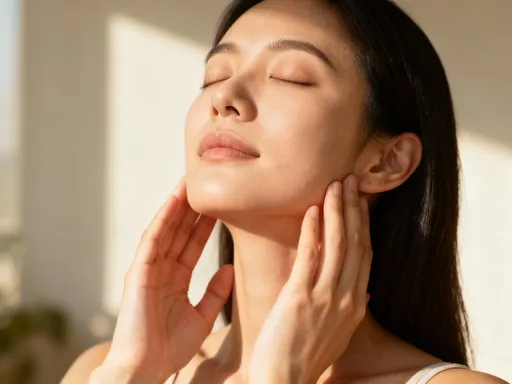
Caring for the scalp can become more than a grooming task—it can be a grounding ritual that nurtures both body and mind. A daily scalp massage, even for just two to three minutes, does more than stimulate blood flow. The rhythmic motion provides tactile feedback that calms the nervous system, much like kneading dough or folding laundry can be soothing. This simple act creates a moment of pause in a busy day, offering a chance to reconnect with the body and release tension stored in the head and neck.
Using natural oils such as coconut, jojoba, or argan oil enhances the experience. These oils moisturize the scalp, reduce flakiness, and strengthen hair shafts. But their value goes beyond physical benefits. The sensory experience—the warmth of the oil, the scent, the slow, intentional touch—can serve as a form of mindfulness. Women can turn this into a nightly ritual, applying oil before bed and focusing on the sensation rather than distractions like screens or to-do lists. This practice becomes a form of self-respect, a daily affirmation that they are worth caring for.
Other mindful grooming practices include brushing hair slowly with a soft-bristle brush, taking time to detangle without rushing, or washing hair with focused attention on the water temperature and massage. These moments, often done automatically, can be transformed into mini-meditations. When women engage fully in these routines, they create space for emotional release and presence. Scalp care, when approached with intention, becomes a bridge between outer appearance and inner peace.
Food, Mood, and Hair: The Inner Foundation
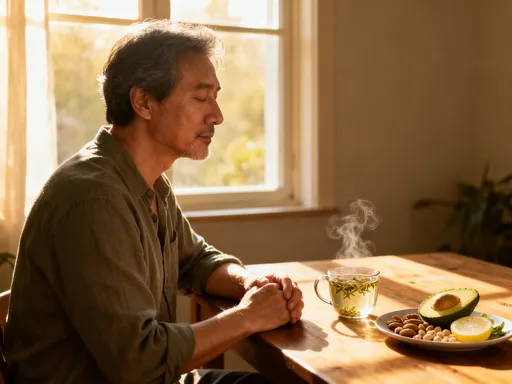
No amount of external care can compensate for poor internal nutrition. The foods women eat directly influence both emotional stability and hair strength. Certain nutrients play key roles in supporting the nervous system and maintaining healthy hair. Iron, for instance, is essential for oxygen transport in the blood. Low iron levels, common in women due to menstruation or dietary habits, are linked to fatigue, low mood, and hair thinning. Zinc supports immune function and cell regeneration, both of which are vital for hair growth. Deficiencies in zinc have been associated with increased shedding.
B vitamins, particularly B7 (biotin), B9 (folate), and B12, contribute to energy production and neurological health. While biotin supplements are often marketed for hair growth, obtaining nutrients through whole foods is generally safer and more effective. Eggs, leafy greens, legumes, nuts, and lean proteins provide a balanced spectrum of these vitamins. Omega-3 fatty acids, found in fatty fish, flaxseeds, and walnuts, help reduce inflammation and support scalp hydration. These nutrients work together to create a stable internal environment where hair can thrive.
Diet quality also affects energy levels and stress resilience. Blood sugar fluctuations from processed foods or skipping meals can lead to irritability, brain fog, and mood swings—emotional states that worsen stress and indirectly impact hair. Eating regular, balanced meals with protein, fiber, and healthy fats helps maintain steady energy and emotional balance. This isn’t about following restrictive diets or chasing trends. It’s about building a sustainable eating pattern that honors the body’s needs. When women eat with intention, they support not only their hair but their overall well-being.
When to Seek Support: Knowing the Limits of Self-Care
While lifestyle changes can make a significant difference, they are not a substitute for professional care. Some forms of hair loss, such as alopecia areata or hormonal imbalances like thyroid disorders, require medical evaluation and treatment. Similarly, persistent anxiety, depression, or burnout should not be managed alone. Recognizing when to seek help is a sign of strength, not failure. A primary care provider or dermatologist can assess underlying causes through blood tests and clinical evaluation. They may recommend treatments such as topical solutions, oral medications, or hormone therapy when appropriate.
Mental health support is equally important. Therapy offers a safe space to explore emotional patterns, develop coping strategies, and regain a sense of control. Cognitive behavioral therapy (CBT), in particular, has been shown to reduce anxiety and improve emotional regulation. Many women hesitate to seek therapy due to stigma or time constraints, but modern options like telehealth make it more accessible than ever. Support groups, whether in person or online, can also provide connection and validation, reminding women they are not alone in their struggles.
Self-care and professional care are not opposites—they are complementary. A woman using scalp massages and journaling can still benefit from seeing a doctor or therapist. In fact, combining both approaches often leads to the best outcomes. The goal is not to fix everything overnight but to build a support system that honors both physical and emotional health. By normalizing help-seeking behavior, women model resilience and self-worth for themselves and their families.
True hair wellness isn’t just about products—it’s about peace. By managing emotions with compassion and consistency, we nurture not only our hair but our overall well-being. This holistic path isn’t a quick fix, but a lasting change. When we care for our minds, our hair follows. The journey may begin with a concern about thinning strands, but it leads to a deeper relationship with ourselves—one built on awareness, kindness, and balance. In a world that often demands constant giving, choosing to care for our inner health is one of the most powerful acts of self-respect. And when we do, our hair becomes not just a reflection of that care, but a quiet testament to the strength we’ve cultivated from within.