How I Sped Up Recovery with Yoga and Mindfulness—No Magic, Just Results
Recovering from injury or illness can feel slow and frustrating. But what if small, daily habits could make a real difference? I discovered that combining simple yoga movements with mindfulness—rooted in traditional Chinese wellness principles—helped me regain strength and energy faster than I expected. This isn’t about miracles, just practical, science-backed steps that support your body’s natural healing. If you're looking for a realistic, calming way to boost recovery, this approach might be exactly what you need.
The Hidden Roadblock to Fast Recovery
When most people think about healing, they focus on physical rest, medications, or rehabilitation exercises. Yet one of the most overlooked factors in recovery is mental and energetic fatigue. The body cannot heal efficiently when the mind is constantly stressed or disconnected from physical sensations. Chronic tension, anxiety, and emotional strain can significantly slow down tissue repair and weaken immune response. This creates what many health professionals refer to as a recovery plateau—a point where progress stalls despite consistent effort. Pushing harder through pain or fatigue often leads to setbacks, not breakthroughs.
Research has shown that psychological stress increases levels of cortisol, a hormone that, in excess, can impair inflammation control and delay wound healing. When the nervous system remains in a prolonged state of alert—commonly known as the 'fight-or-flight' mode—resources are diverted away from regeneration and digestion toward survival functions. This means that even with proper nutrition and medical care, the body may struggle to repair itself if it's constantly under internal stress. The key to overcoming this barrier is not more exertion, but greater awareness and balance.
For many women in their 30s to 50s, especially those managing family, work, and personal health challenges simultaneously, this mental load is real and cumulative. The demands of daily life often leave little room for true rest. Without intentional practices to restore calm and reconnect mind and body, recovery becomes an uphill battle. Recognizing this invisible obstacle is the first step toward a more effective healing journey. It’s not just about doing more—it’s about creating space for the body to do its job.
Why Yoga and Meditation Work—Beyond Just Stretching
Yoga is often misunderstood as merely a form of stretching or flexibility training. In reality, its benefits go far beyond muscle lengthening. When practiced gently and with awareness, yoga supports circulation, enhances lymphatic drainage, and activates the parasympathetic nervous system—the part responsible for rest, digestion, and repair. These physiological changes create an internal environment where healing can thrive. Mindful movement encourages blood flow to injured areas, delivering oxygen and nutrients while removing metabolic waste products that contribute to inflammation and stiffness.
Scientific studies have consistently demonstrated that regular meditation and mindful movement reduce cortisol levels, lower blood pressure, and improve heart rate variability—an indicator of resilience and nervous system balance. A 2014 meta-analysis published in JAMA Internal Medicine found that mindfulness meditation programs showed moderate evidence of improving anxiety, depression, and pain—factors that often accompany chronic conditions and slow recovery. These changes are not immediate, but they are measurable and meaningful over time.
From the perspective of traditional Chinese wellness, known as yangsheng (nourishing life), health depends on the smooth flow of Qi (vital energy) through the body’s meridians. Blockages or imbalances in Qi are believed to precede physical symptoms. Practices like gentle yoga and breath-centered meditation help maintain this flow, supporting organ systems and promoting harmony between body and mind. While Western medicine focuses on pathology, yangsheng emphasizes prevention and balance. Integrating both approaches offers a comprehensive path to recovery—one that honors both scientific understanding and time-tested wisdom.
The 5-Minute Mind-Body Reset That Actually Helps
One of the most powerful tools I discovered during my recovery was a simple five-minute routine I could do anywhere, anytime. It didn’t require special equipment, a yoga mat, or even leaving my chair. This daily reset combines breath awareness, gentle movement, and a traditional Qi Gong hand gesture designed to cultivate internal warmth and energy. The goal is not to stretch or strengthen, but to signal safety to the nervous system so the body can shift into healing mode.
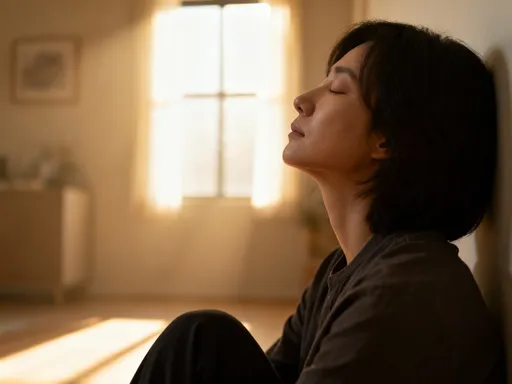
The routine begins with seated breath awareness: sitting upright with feet flat on the floor, hands resting on the lap, and focusing on slow, deep inhalations through the nose and extended exhalations through the mouth. After two minutes of this, I add gentle neck rolls—slowly tilting the head side to side and forward and back—to release tension stored in the upper spine. Next comes a seated spinal twist, keeping movements small and controlled, which helps stimulate digestion and improve circulation to the back muscles. Finally, I place my palms together, rub them vigorously for 10 seconds, then hold them a few inches apart, feeling the subtle warmth and tingling between them—a classic Qi Gong practice said to activate energy flow.
What makes this routine effective is its consistency, not its complexity. Within days of starting, I noticed improvements in sleep quality and morning stiffness. My focus during physical therapy sessions sharpened, and I felt less overwhelmed by daily tasks. These small actions, repeated daily, created a cumulative effect. Over time, they helped retrain my nervous system to spend more time in restful states, which directly supported tissue repair. You don’t need hours—just a few focused minutes—to begin shifting your body’s internal environment toward healing.
Matching Movement to Your Recovery Stage
One of the most important lessons I learned was that not all movement is appropriate at every stage of recovery. In the early phases—especially after surgery, injury, or prolonged illness—aggressive stretching or intense exercise can do more harm than good. Instead, gentle, intentional movement is key. The goal during this time is not to build strength or endurance, but to maintain joint mobility, prevent stiffness, and encourage circulation without strain.
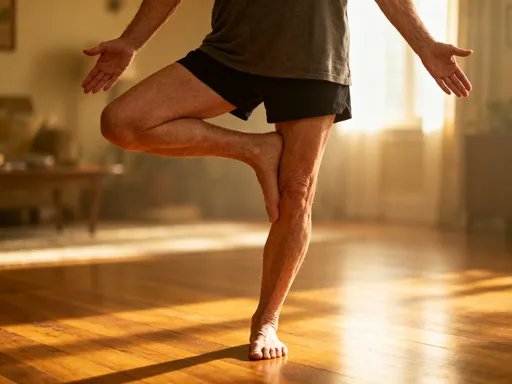
In the initial phase, lying-down poses such as supported bridge (using a pillow under the hips) or constructive rest (lying on the back with knees bent and feet flat) can be deeply soothing. These positions take pressure off the spine and allow the diaphragm to move freely, supporting relaxed breathing. Seated poses like gentle forward folds with support under the forehead or simple ankle circles help maintain range of motion without overexertion. Standing poses should be minimal and well-supported, such as leaning against a wall for balance during a basic mountain pose.
As recovery progresses into the mid-phase, you can gradually introduce more active movements. Poses like cat-cow on hands and knees, seated spinal twists, and standing side bends with support become beneficial. These movements enhance coordination, improve posture, and continue to support lymphatic flow. By the late recovery stage, when strength and stability have improved, you may incorporate longer sequences, such as a modified sun salutation performed slowly and with full attention to breath.
The guiding principle throughout all stages is to listen to your body. Discomfort may be present, but sharp or increasing pain is a signal to stop. Movement should never feel forced. Using props like pillows, chairs, or walls ensures accessibility and safety. This phased approach allows healing to unfold naturally, respecting the body’s timeline rather than imposing external expectations.
How Mindfulness Supercharges Physical Healing
Mindfulness is not just about relaxation—it plays a direct role in how the brain processes pain and coordinates recovery. When we pay close, nonjudgmental attention to bodily sensations, we change the way the nervous system interprets signals. Chronic pain, for example, is often maintained by a sensitized nervous system that overreacts to normal stimuli. Mindfulness helps break this cycle by creating space between sensation and reaction, reducing the emotional charge around discomfort.
Techniques like the body scan and breath counting are particularly effective. In a body scan, you systematically bring attention to different parts of the body, starting from the toes and moving upward. This practice enhances interoception—the ability to sense internal states—and helps identify areas of tension or numbness that might otherwise go unnoticed. Breath counting, where you silently count each inhalation up to ten and repeat, anchors the mind in the present moment and calms the default mode network, which is associated with rumination and stress.
Neuroimaging studies have shown that regular mindfulness practice can reduce activity in the amygdala—the brain’s fear center—while strengthening connections in the prefrontal cortex, which governs decision-making and emotional regulation. This neural retraining supports not only mental clarity but also physical healing. When the mind is calm, the body follows. Reduced stress means lower inflammation, better sleep, and improved immune function—all of which accelerate recovery. Mindfulness doesn’t eliminate pain, but it changes your relationship to it, making the healing process more manageable and less overwhelming.
Building a Realistic Daily Routine—No Extra Time Needed
One of the biggest obstacles to adopting new habits is the belief that they require extra time. For busy women juggling responsibilities, adding another task can feel impossible. But the beauty of this approach is that it integrates seamlessly into existing routines. You don’t need to carve out 30 minutes; even five to ten minutes of intentional practice can yield significant benefits when done consistently.
Start by anchoring your practice to something you already do every day—like brushing your teeth. After brushing, instead of rushing to the next task, sit down for five minutes. Perform the mind-body reset: breath awareness, neck rolls, seated twist, and palm-heating gesture. This creates a natural transition from personal care to mental readiness. Alternatively, practice a few gentle movements before getting out of bed in the morning or during commercial breaks while watching evening television.
A sample 7-day micro-schedule might look like this: Day 1–2, focus on breath and stillness; Day 3–4, add neck and shoulder rolls; Day 5–6, include seated twists and ankle circles; Day 7, combine all elements into a full five-minute sequence. The key is not perfection, but presence. Missing a day is not failure—it’s part of the process. What matters is returning to the practice without judgment.
Over time, these small efforts compound. You may find that you sleep better, move with greater ease, and respond to challenges with more patience. Recovery is not a sprint; it’s a series of small, consistent choices that honor your body’s needs. By weaving mindfulness and gentle movement into your day, you create a sustainable foundation for long-term well-being.
When to Seek Help and What This Isn’t
It’s essential to emphasize that yoga and mindfulness are complementary practices, not substitutes for medical treatment. They should never replace diagnosis, prescribed therapies, or professional guidance. If you are recovering from a serious injury, surgery, or chronic illness, always consult your healthcare provider before beginning any new routine. Certain conditions may require specific modifications or contraindicate certain movements altogether.
This approach is not a quick fix or a miracle cure. It will not override the need for proper medical care, nutrition, or physical therapy. Its value lies in enhancing the body’s natural capacity to heal by reducing stress, improving circulation, and fostering self-awareness. It works best when integrated into a broader recovery plan that includes appropriate medical supervision.
Equally important is learning to recognize warning signs. Persistent or worsening pain, swelling, dizziness, or unusual fatigue should never be ignored. Mindfulness teaches you to tune in to your body, but it should not be used to push through danger signals. The goal is not to endure, but to understand. If something doesn’t feel right, pause and seek professional advice. True healing requires both self-care and informed medical support.
Additionally, while traditional practices like Qi Gong and yangsheng offer valuable insights, they should be approached with respect and awareness. They are part of a holistic framework, not standalone solutions. When combined with modern medical knowledge, they can enrich your recovery journey—but only when used wisely and safely.
True recovery isn’t just about fixing the body—it’s about creating the right internal environment for healing. By blending mindful awareness with gentle movement, inspired by ancient wisdom and supported by modern science, you can make your recovery journey smoother, calmer, and more effective. It’s not fast because it’s easy, but because it works with your body, not against it.